Menu

My Mission
Articles
Podcast
Events
Workplace Education
Clinician Education
Newson Clinics
Hormones Unlocked
Books
Research
Media
Contact

Balance App
Track symptoms, get insights and feel more in control.


Why are so many women still being told estrogen is dangerous?
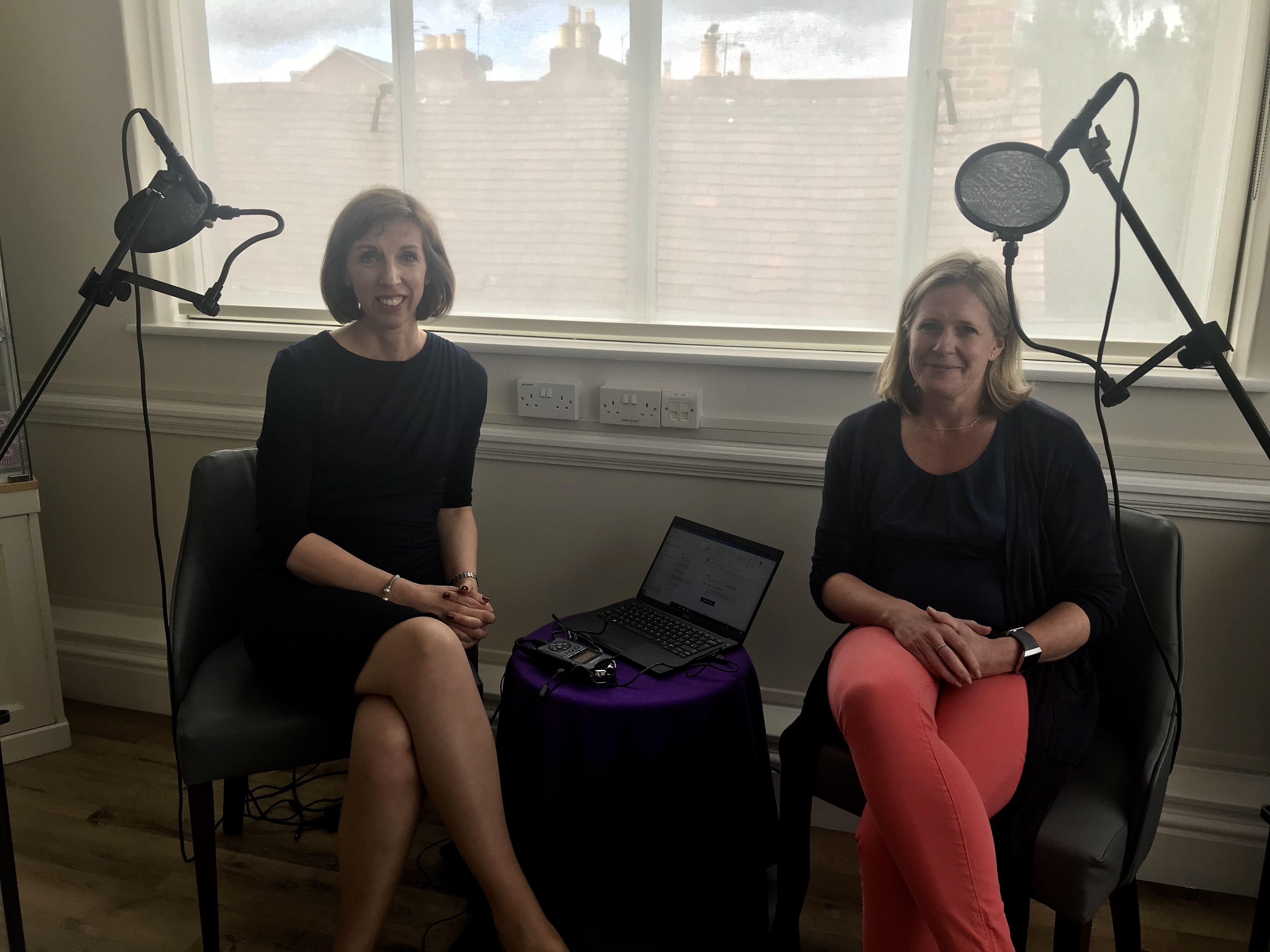
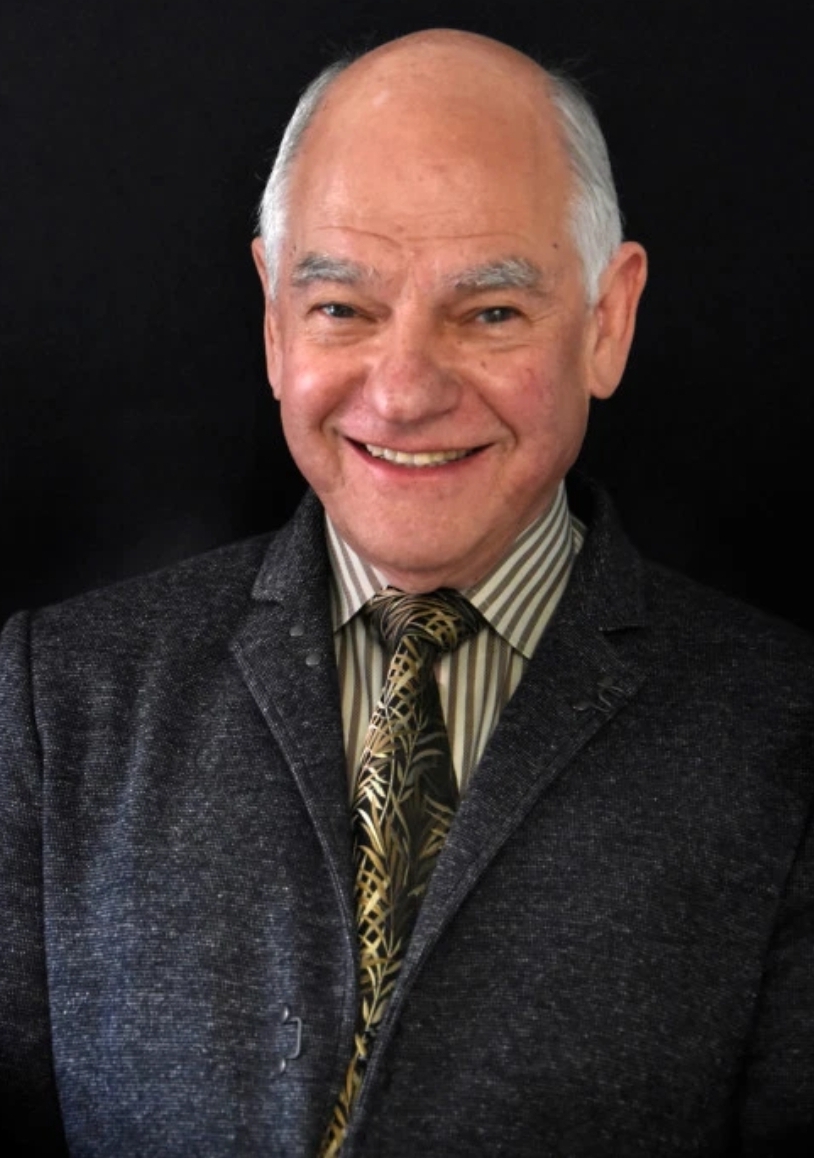
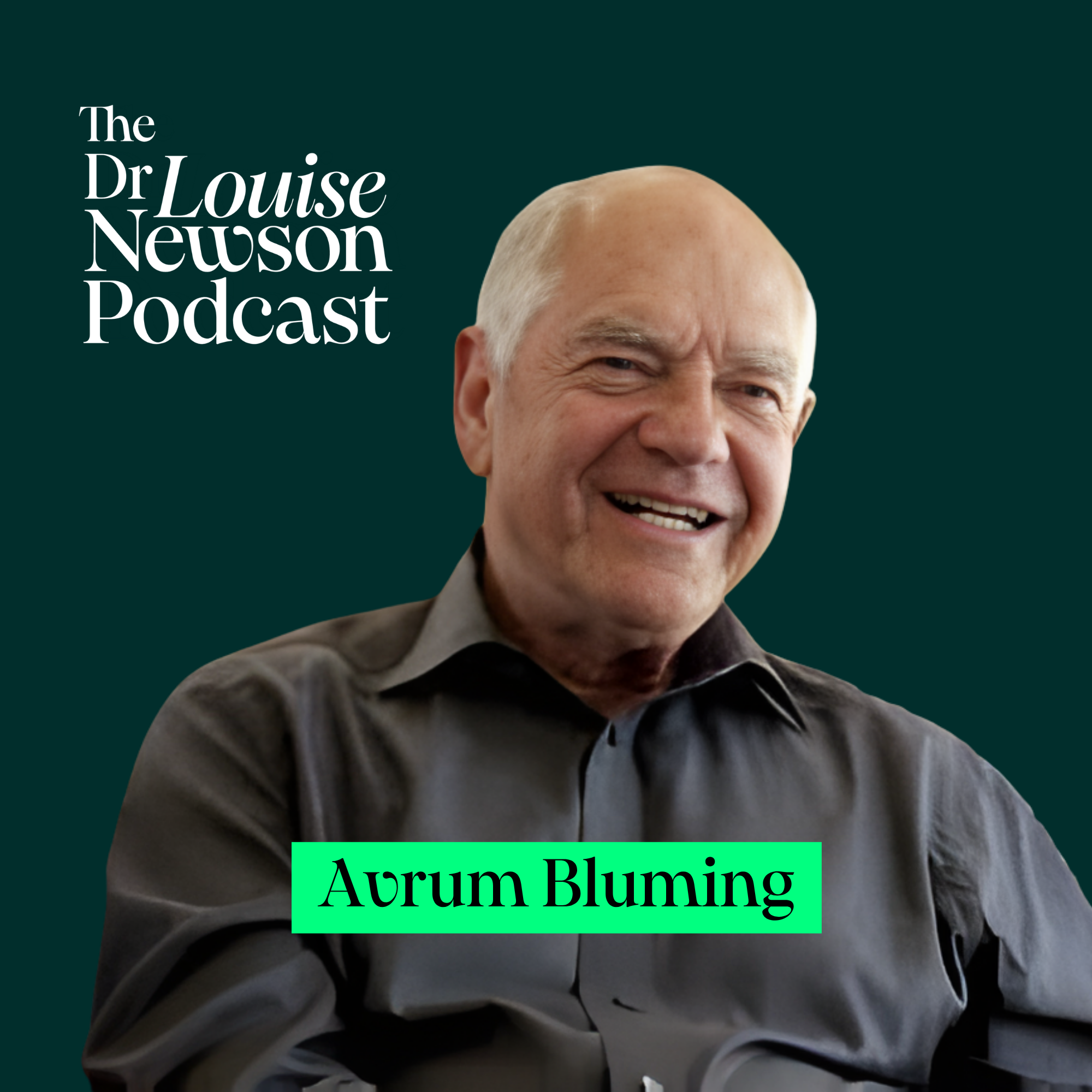
In this episode, Dr Louise Newson is joined by oncologist and author of Estrogen Matters, Dr Avrum Bluming, to explore how fear around hormones took hold and why it persisted for so long. They also revisit the evidence behind the Women’s Health Initiative and discuss what it actually shows about risks and benefits.
Together,they unpack the role of estrogen in the body and why having the rightinformation is key to making informed choices about treatment.
We hope youlove the podcast. If you enjoyed this episode, please make sure to follow usand leave a 5-star rating and share it with someone who needs to hear it.
LET'SCONNECT
Subscribehere 👉 https://www.youtube.com/@menopause_doctor
Website 👉 https://www.drlouisenewson.co.uk/
Instagram 👉 /@drlouisenewsonpodcast
LinkedIn 👉 / https://www.linkedin.com/in/drlouisenewson/
TikTok 👉 / https://www.tiktok.com/@drlouisenewson
Spotify 👉 https://open.spotify.com/show/7dCctfyI9bODGDaFnjfKhg
LEARNMORE
Downloadmy balance app 👉
https://www.balance-menopause.com/balance-app/
Gettickets for my new theatre tour, Breaking the Cycle 👉
https://www.nlp-ltd.com/dr-louise-newson-breaking-the-cycle/
Pre ordermy new book 👉
https://bio.to/ThePowerofHormones
Dr Louise Newson: [00:00:02] So, Avrum Bluming, I feel very excited to have you back on my podcast. This is the third time and we met many years ago before the podcast started. And I was in London at the Royal Society. I was giving a lecture and you were there and you just helped me open my eyes because sometimes in medicine, when you think differently, you have doubts and you think, really, it's so obvious. Maybe I'm missing something. And then you came and you had just written your book, Estrogen Matters, and you had some slides that just had a few sentences on, very few about estrogen and heart disease and osteoporosis, dementia and I just thought, wow, he's just speaking a language, but you're just so, it's all so obvious, but it's become so confusing. So you are a very esteemed oncologist, physician, a thinker, very inspirational and actually you don't know it really, but you are a great mentor to me because you're so solid in how you are and when I wobble I just think about you and it really helps me. But let's just think of our estrogen, it's a hormone. Hormones are chemical messengers that have a role in our bodies and somehow for the last 30 years especially or so maybe 40 years, people have become very scared of our own hormone. And it just feels a bit weird almost. If I didn't know any medicine at all and didn't know any politics, didn't know any history, if I'd come from outer space and I said, we all have this natural hormone in our body that has lots of biological effects. We know it can be beneficial for symptoms and future health. Yet most women, when their levels are low, don't get it. They're not allowed it. They're given other medication. It just feels weird, doesn't it? [00:01:56][114.2]
Dr Avrum Bluming: [00:01:56] As a man, I can tell you what problem. I can get hormones and we ought to look at other hormones. Thyroid hormone saves lives because people who are deficient in thyroid die prematurely and thyroid hormone, which they take for the entirety of their lives, allows them to live a normal lifespan. Similarly, cortisone, when used correctly, helps keep people alive. John F kennedy was cortisone deficient. He had Addison's disease, and although we didn't know it when he was president, he was taking cortisone, and that also kept him alive. Somehow, estrogen hasn't been invited to the party, and it isn't a mystery. It is, through the early 1990s, up to, depending on which paper you read, 40% of eligible women, meaning peri and menopausal women, were given hormones and it worked. And then in 2002, there was a report that came out first as a press conference, followed one week later as an article in the Journal of the American Medical Association that said... Hormones, which means estrogen for perimenopausal women who don't have a uterus and estrogen and progesterone for peri and menopausal women who do have a uterus, are dangerous. They increase the risk of heart disease, stroke, breast cancer, and death. Well, that's frightening. And that was a study that has cost $1,000,000,000. That's a billion, but when I say it is 1,000 million, it sounds even bigger to me. And it made headlines around the world and it was headlined in the New York Times and doctors were afraid to prescribe hormones and women flushed their hormones down the toilet. And everything I said about that conclusion, everything has been walked back by the people who said it. But somehow, the walk-back message hasn't gotten as wide an audience. [00:04:22][145.6]
Dr Louise Newson: [00:04:22] No, and it's so interesting because even that study, when you read it, there are some good points in it that have been completely ignored. So even the first glance really, look did show that osteoporosis was lower. And osteoporosis is a condition that affects one in two menopausal women. And personally, as a menopausal of women, I'm very scared of osteoporosis. So, if I had been diagnosed as osteoporosis and had a hip fracture my mortality would be greater than most cancers actually, but people don't see it as a, you know, but that was a good news story. They showed that bowel cancer had a reduced risk, and actually when they followed up people who were only on estrogen, there was about a 22% reduction in breast cancer, but I didn't see that on the front page or the headlines, you know. [00:05:12][49.7]
Dr Avrum Bluming: [00:05:13] It hasn't made the same headlines. [00:05:15][1.7]
Dr Louise Newson: [00:05:15] No, and I remember actually, so 11 years ago I was asked to summarise our NICE menopause guidance because as you know I've been a medical writer for 25 years and a lot of my work was summarising guidelines all across medicine and when you summarise guidelines you don't just read the guidelines, you read the original references and the papers and you look at everything. So this was a big piece of work for me because I went back to WHI and of course I read it in 2002 and I wrote about it then but I wanted to look at it with a fresh pair of eyes. So I went through it all and again and again and again, and I kept thinking, well, what's the big deal? Like, why is everyone so scared actually? Because the numbers don't add up and even if they are, it's really small. And even if you look at the worst, like rate of breast cancer, it's still less than if I was smoking or drinking moderate alcohol. You know, when you put it into a perspective, but it's the benefits that people seem to forget. And also, even if we, we'll talk about disease prevention in a minute, but we've known ever since hormones were produced, you know, in the 40s, 50s, 60s, that wellbeing can improve. Women can feel happier. And is that a bad thing, Avrum, that we help our patients to just feel happier and better? [00:06:32][76.9]
Dr Avrum Bluming: [00:06:33] I guess it depends in part how you feel about women. I, for one, am prejudiced in favour of women. I think if women ran more things than they do, this would be a better world. I attended a talk years ago that was given by Kim Campbell, who was a woman in her 40s and she was the Prime Minister of Canada. And she said, let me tell you the difference about the way men govern and women govern. Men govern by fiat and power. Women govern by consensus. That was such a wonderful insight. [00:07:11][38.3]
Dr Louise Newson: [00:07:11] That's amazing, isn't it? [00:07:12][1.2]
Dr Avrum Bluming: [00:07:13] Yes. [00:07:13][0.0]
Dr Louise Newson: [00:07:13] It really is, and I know, you know, personally, when I was having hormonal changes 10 years or so ago, I wasn't really enjoying things. I mean, my memory was terrible, my concentration, but I just didn't enjoy life. It was really hard to just get up and be motivated and really small things, like really trivial things, putting the washing on, I couldn't be bothered. And, you know, like now I just put it on and it's done and it's easy. And that sounds really small but I think a lot of women listening will resonate with. You can't measure that in a study. You're not going to have a big study looking at do women put the washing on more or empty the dishwasher or say goodnight to their children with a loving kiss. Are they more likely to do that with hormones or not. But I know what the answer is but that a big difference just day to day for most of us that have families or you know, have partners, that's really important, actually. And somehow that's forgotten. [00:08:11][57.8]
Dr Avrum Bluming: [00:08:12] I remember reading that about 40% of women in the health care industry in Britain are retiring early, 40% around the time between 45 and 55, as they reach menopause. Well, that's terrible. What a loss to society, to our general health. [00:08:36][23.8]
Dr Louise Newson: [00:08:37] Yeah, it's, and you can see why it happens. And, you know, I did some work with the police force a few years ago and we did a big survey looking at symptoms and it was the main symptoms were anxiety, fatigue, memory problems. So it's not about giving us a fan at work or changing our uniform to a wicking uniform, it is not going to work, you know, it's so we need to think about this, this whole main estrogen. I mean, I've talked on other podcasts about progesterone and but I want to talk about estrogen because your book, which has been updated since we first met, Estrogen Matters, you know, most of my patients have bought it. We've got loads of copies in the clinic and it's a real bible because it's just common sense. But it's the hormone that affects every cell in our body. So therefore it's every organ in our body. So I've already said there are some brain effects, as in people feel better and happier and smarter and they can think and sleep and function. But it affects the bones, doesn't it? It helps keep the bones strong. [00:09:34][57.2]
Dr Avrum Bluming: [00:09:35] What most people hear is the symptoms of menopause are really hot flushes, called hot flashes, but flush is a better word, hot flushes and difficulty sleeping. And it usually lasts a year or two and then it's gone. And that's so wrong. There are over 35 major symptoms, including heart palpitations that respected cardiologists I work with aren't aware of even today. And it's obviously all the genitourinary symptoms and the loss of libido and painful sexual intercourse, even if you fake it and decide you will try it. And the brain fog, which is devastating and it affects 80% of women between the ages of 45 and 55. And it's significant, and it lasts a median of 7.2 years not a couple of months and for women of colour, it lasts longer than that. And the single best treatment is estrogen, which works in close to 100% of women. And it's so interesting, the study that we spoke about, the Women's Health Initiative that first came out as results in 2002, said in 2003 that estrogen has no effect on a woman's quality of life. So, not only did it cause, but it doesn't, heart disease and breast cancer and death. It doesn't even help symptoms. And that was a headline story also in the New York Times. And when you read that article, which obviously I've read very closely, this was a prospective, double-blind, randomised study. And the authors write in the article, we knew that menopausal women that were symptomatic would know within a week or two if they were getting a sugar pill and not the estrogen and so we intentionally did not admit symptomatic women to the study. And they concluded the article by essentially saying, and these women who had no symptoms had no improvement in the symptoms they didn't have if they got estrogen rather than placebo. But the headline didn't say that. [00:12:11][156.2]
Dr Louise Newson: [00:12:12] It's so misleading, isn't it? And it's so confusing for women. And, you know, quite soon after I, you know, updated and went through the NICE guidance many years ago and started talking to doctors and also women, they were like, but that's not what I've read, that's what I've heard. And in medicine, if I'm not sure about something, I'll go back to the original and I'll also go back to basic physiology because, you know, you as I have, have prescribed all sorts of drugs and you can't just write the name of a drug on a prescription, you have to know how it works in the body because then it helps you know is it going to be beneficial, is it gonna have risks, you know, you're constantly weighing up, is going to interact with other medication, what do I inform my patients. So much of this is very simplistic medicine, you talked about underactive thyroid, it's very similar, but then there is still some people saying, but menopause isn't a hormone deficiency and it's like, well, what is it then because our hormone is low, it stays low forever, and we have to be facing the consequences of these low hormones? And as women, we should be able to choose whether we want to take hormones or not. And I wouldn't be carrying on my work if everybody who wanted hormones could easily get them because I'd be thinking, well that's great. But the stories I hear, and I'm sure you hear them in the US as well, is women are being given antidepressants, they're being given sleeping tablets, they've been given treatment for their palpitations, for their migraines, for the restless legs, you know, the list goes on, they are being treated for their symptoms, but if they ask for estrogen or hormones, it's almost like, well, no, that's not really what we do. [00:13:58][105.9]
Dr Avrum Bluming: [00:13:59] The first edition of our book in 2018, I've gotten letters, not just from around the United States, but from all over the world. The book has now been translated into Spanish and German and Chinese, and there's a Polish edition that's coming out soon. And I get letters from Bangladesh and Senegal, all over the world, and it's the same thing. Women are facing that same problem. And it's worth pointing out that you and I can banter back and forth and say, we've known each other now for over seven years and we've been in agreement since the first minute we met and that has just gotten stronger. And so people listening saying, well, fine, these two people agree, but I hear people who are respected disagreeing and the answer is there really isn't that kind of disagreement. And it's important to know that. Although the Women's Health Initiative came out first and said it increases the risk of heart attacks and death from heart attacks. Their population was, had a median age of 63. Less than, 70% of the women were over 60, between 60 and 70. Very few were in the target population that we're talking about. More than half were markedly overweight, close to half were smokers or previous smokers. This is a population that had a much higher risk of heart disease than the one we're talking about now. And what the Women's Health Initiative now says and has published, but the New York Times hasn't reported, nor the London Times, is that when taken within 10 years of the last menstrual period, it actually decreases the risk of heart disease. And that's what so many studies over the years, long before 2002, have confirmed. You mentioned osteoporosis. Yes, a hip fracture from osteoparosis, which can affect a significant number of postmenopausal women, is associated with death within one year of the hip fracture that mirrors the incidence of death from breast cancer. And the best treatment is estrogen, much better than calcium, which alone doesn't work in a post-menopausal women, and the other drugs that are used for osteoporosis that when they work in prevention, work for five years, but after that are associated with an increased risk of hip fracture. Estrogen you can keep on using and it works as long as you use it. And although they originally published in 2003, it has no effect on quality of life, they've now walked that back and said, estrogen is the single best treatment for menopausal symptoms. And they initially said that our findings apply to women of all ages and they've walked that back and now said, no, the bad findings really were for women who were long past menopause. And now they said, we're so sorry that peri and menopausal women weren't started on estrogen. That wasn't what our intention was. Well, that's what you wrote, but you've walked it back. Let's publicise that you've walked it back. And when challenged, the disagreement isn't there. When people say, I don't know who to believe, these two people now who I'm listening to, or other people, well, we all agree. It's just, we're saying it out loud. [00:18:02][242.9]
Dr Louise Newson: [00:18:02] Yeah, and that's so important, but actually, a few weeks ago now, the FDA did their lovely announcement about removing black box warning. And it's really lovely when you hear other people saying the same things as well, because it's very reassuring. A lot of my patients, a lot of people I speak to are confused because they've had mixed messages for so many years about hormones. But I often think in different ways. And one of the things I think about. Is the risks of not having estrogen. So we can talk, and we'll be still talking for decades to come about the potential risks, but just to be clear, they are small risks if they are there, depending on the dose and the formulation, the person that's been having the medication, but the risks are very small. But the risks of not having hormones, you've already alluded to. If we don't have hormones, we've got an increased risk of all inflammatory conditions, so heart disease, osteoporosis, diabetes, dementia, even depression, schizophrenia, chronic kidney disease. You know, the list is quite long, actually, and women are living so much longer. So women need to be involved in their decision-making about are they prepared to take a risk. It's the same as, you know, am I prepared to a risk if I don't exercise or if I eat processed foods. I need to be educated as a person about that. I think we need to, as women and patients, take responsibility and think about the risks of not having homones. [00:19:36][93.4]
Dr Avrum Bluming: [00:19:36] And let's talk about risk again for just a minute. As you pointed out, the black box warning, which was put on all estrogen-containing drugs, warned increases the risk of heart disease and breast cancer. Estrogen alone in this very big prestigious study decreased the risk of breast cancer, decreased the risk of breast by 23%, and even more importantly decreased the risk of death from breast cancer by 40%. And nobody argues with that, that's what the Women's Health Initiative published. So the only thing that they're left with of everything they were waving red flags about is they say, but when you add progesterone to estrogen for women with a uterus, because estrogen alone does increase the risk of uterine cancer, well, the risk is small. Actually, that risk is non-existent. That's a none risk. And it doesn't increase the risk of death from breast cancer. And I've written numerous articles saying that one extra woman per thousand is based on a misrepresentation of their own data. When you analyse the data and balance it per their own protocol, even that risk disappears. But what women say when they hear me say that is, well, I don't want to be that one in a thousand. Well, it's not a real number. It's an artificially generated, incorrect number and women are still staying away from hormones because of it. [00:21:22][105.7]
Dr Louise Newson: [00:21:22] And it's such a shame because, you know, breast cancer is common. It's far more common now than it was when the WHI was first launched. Yet, HRT and estrogen prescribing is so much lower. So there are lots of reasons, you know, as well as I do, why people have cancer. But the, you've already said also that women who only have estrogen have a lower instance of breast cancer, but women will get breast cancer whether they take hormones or not, whether they do exercise or not whether they drive their car or not. You know, we have a risk and the problem is, is that because some women who take HRT develop breast cancer, it's very easy and quick sometimes for other doctors to say, oh well of course it's your hormones, especially because you've got an estrogen receptor positive breast cancer. And that causes still now a lot of confusion, which is such a shame. [00:22:15][53.4]
Dr Avrum Bluming: [00:22:16] Well, confusion usually is associated with ignorance. And as I told you before we started talking, I say I don't know many times every day. You said, well, of course we know there are many reasons for cancer development. I'm a medical oncologist. I've been a medical oncologist for close to 60 years. And I don't know what cancer is. I know how to treat it based largely on trial and error studies so that now a newly diagnosed breast cancer carries a cure rate of close to 95%. I don't take breast cancer lightly. It is still a disease I don't wish on anybody and I've spent a large portion of my career treating it but it's very small in terms of a risk for a shortened lifespan, and if the numbers don't even show that it increases the risk, then putting the black box warning and preventing women from taking it is a huge disservice. And that's what Dr Marty Makary, who was the FDA commissioner, said when he said, and we therefore after looking at all the data are removing the black box warning on all estrogen containing products, not just vaginal estrogen, which nobody has really challenged, but on all estrogens containing products. Bravo. The next battle is what about breast cancer survivors, even as receptor positive breast cancer survivors. And the short answer to that, is of course we need more data, but there are 26 studies in the medical literature looking at what happens when breast cancer survivors are given hormones, including estrogen receptor positive breast cancer survivors, and of those 26 studies, 25 say there's no increased risk of recurrence. In fact, four of the five prospective randomised studies say there was a decreased risk of recurrence. And the one study that said there's an increased risk of occurrence, which not surprisingly is the one most quoted in the medical literature called the HABITS study for Hormones after breast cancer, Is It Safe?, a study done in Sweden, said there was no increased risk of distant recurrence, meaning metastatic tumour, there was no increased risk of death, but what we saw is an increased risk of local recurrence in the affected breast or in the contralateral breast. Well, this particular study did not mandate imaging of the breasts before these breast cancer survivors were admitted to the study. So you don't know if the hormones increased the risk of breast cancer and of the several hundred women followed, the actual difference between the women who were randomised to nothing and the women who got hormones were 22, an absolute number of 22 women. And it's on the basis of those 22 women where imaging wasn't required as a prerequisite, that millions of breast cancer survivors are being denied hormones. And so that's another issue that we now have to face and deal with. [00:26:05][229.2]
Dr Louise Newson: [00:26:05] Absolutely. And the stories, we've published some data looking at the stories people are given actually from healthcare professionals about menopause when they've had breast cancer or rather they're not given information, but also some of the stories where women are just refused any hormones. And, you know, I see a lot of women in my clinic who've had breast cancer 10, 20 years ago. They're more worried about their personal risk of osteoporosis than they are of a recurrence. And we've spoken about the studies in depth before, but it's very much about individualised choice. And I think that's where we all agree, actually, or we should all agree. But I think we do as clinicians that our patients should be allowed to choose and we need to be able to have grown up conversations because we're not going to have all the studies. We'll never have all of the studies, and even if we do. You know, those women in the WHI are not me, they're different. They'll eat differently. They'll exercise differently. They'll have different genetics. So I, you know, even then that risk is not my risk. So we have to be taking responsibility and sharing uncertainty. So we've got a long way to go. [00:27:14][69.2]
Dr Avrum Bluming: [00:27:15] One of the most enlightening talks I have heard within the past several years was by Dr eric Weiner. Dr weiner is a former past president of the American Society of Clinical Oncology. He ran the breast cancer programme at the Dana-Farber Harvard's Cancer Centre for years. And several years ago, he moved to Yale. He's now the director of oncology. And the title of his talk was Physician-Patient Partnership, The Cornerstone of Medical Treatment and Research. Physician patient, partnership. When a doctor says, we're not going to talk about it, and if you insist on even discussing estrogen, you'll have to find a different oncologist. That's the wrong doctor. That's an inadequately informed doctor, but that's the wrong doctor and you have to know that Dr Weiner was born with haemophilia, that he got factor eight to treat his haemophilia and that gave him AIDS as a young boy and in spite of that, he's gone on to be this incredibly impressive, inspirational leader and he's been on the patient side of the desk. He knows very well what it's like to be dealing with physicians who are less supportive than they should be and less informed than they must be. [00:28:53][97.8]
Dr Louise Newson: [00:28:54] It's so important. So I'm very grateful for you coming today, and hopefully you'll be on it a fourth time in the future. But before I end, I just always ask for three take home tips. So three ways that women can be better advocates for themselves. And, you know, I think this is really important because a lot of my work is reaching women and letting them choose. So what are your three tips for being better advocates for your health? [00:29:21][27.3]
Dr Avrum Bluming: [00:29:22] Well, the first is humility, both on your part and on the part of the physician. Because you're not going to go into a store and buy this off the shelf. You've got to work with the physician, so humility is appropriate, but humility is not shyness. You must be educated, which is why we wrote Estrogen Matters. Carol Tavaris and I wrote the book so that women can have up-to-date information, as can the men who care for them, as can physicians. We wrote the book the way we write papers, clinical papers. Everything we say in the book is extensively referenced so that you can say to the physician, well, what about this? This isn't just some crazy doctor in Southern California. This is referenced work that comes from academic institutions around the world. And I need you to look at this and work with me. That's one part of it. The second part of it is certainly in the United States, we live in a litiginous society and nobody wants to be sued. And if a doctor is going to give a breast cancer survivor estrogen,regardless of whether it was an estrogen receptor positive or estrogen receptor negative tumour, some women are going to recur because stuff happens. And to avoid suit, the physician can be offered by the patient an informed consent form, which we have put up online on our Instagram site and which I can send you if you want, so that the patient can say, look, doctor, I understand the fear of being sued and I am willing to sign an informed consent form saying, you spoke to me about this and we will share responsibility and I will assume that risk, which based on everything I know, is minimal if present at all. So that's number two. And the third is we said that women rule by consensus. Well, fortunately, there's a consensus that you have helped generate now of women around the world that says when we work together, we are stronger. And so those are my three suggestions for how to deal with this in the future. [00:32:06][163.3]
Dr Louise Newson: [00:32:06] That's lovely, but we do allow a few men when we work closely and stronger together, Avrum, so you are very much included. [00:32:12][5.8]
Dr Avrum Bluming: [00:32:13] I'm an honorary member of the Menoposse which... [00:32:17][3.8]
Dr Louise Newson: [00:32:19] It's very powerful. It's lovely to have others that we support because that's what's needed to make a difference. So thank you so much. It's been brilliant. [00:32:27][8.2]
Dr Avrum Bluming: [00:32:27] It's always a pleasure Louise. [00:32:27][0.0]