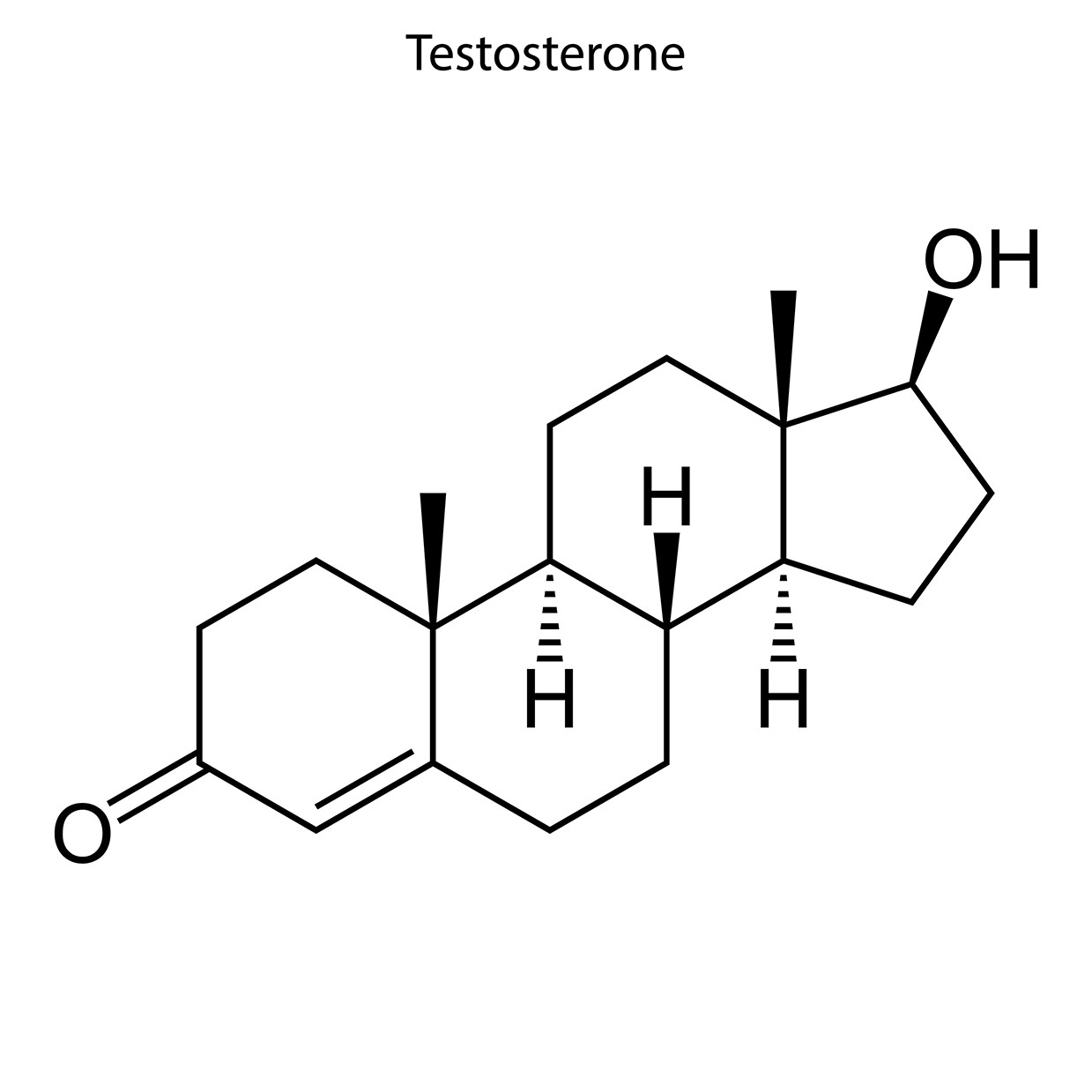
For decades, many people believed that testosterone fuels cancer – particularly prostate cancer. This idea dates back to the 1940s, when a Nobel Prize–winning study showed that lowering testosterone could shrink advanced prostate cancer. From that single observation, a widespread assumption took hold: if lowering testosterone helps treat prostate cancer, then higher testosterone must cause it. We now know this is not the case.
A large body of modern research has turned this old belief on its head. Multiple studies have consistently shown that men with low testosterone are actually more likely to be diagnosed with aggressive, higher-grade prostate cancer. When men with low testosterone undergo surgery for prostate cancer, they are more likely to have cancer that has spread beyond the prostate (higher pathological stage), to have positive surgical margins (meaning cancer cells are found at the edge of the removed tissue), and to experience a return of their cancer after surgery – known as biochemical recurrence.
A recent 2026 study of 924 men on active surveillance – a strategy where low-risk prostate cancer is closely monitored rather than immediately treated – found that men with low testosterone had a 61% higher risk of their cancer progressing to a more dangerous, higher-grade form. In other words, low testosterone appears to be a marker of more aggressive disease, not a protector against it [1]. Finaly, large clinical trials, including the landmark TRAVERSE trial of over 5,000 men, have confirmed that testosterone therapy does not increase the rate of prostate cancer diagnosis compared to placebo [2].
Perhaps the most striking evidence that testosterone is not the enemy comes from a treatment called bipolar androgen therapy, or BAT. In BAT, men with advanced, treatment-resistant metastatic prostate cancer are given very high doses of testosterone – the exact opposite of traditional hormone-lowering treatment. Remarkably, this approach can cause tumors to shrink and PSA levels to drop in a meaningful proportion of patients. BAT works because cancer cells that have adapted to survive in a low-testosterone environment become vulnerable when suddenly flooded with high levels of the hormone. Multiple clinical trials have shown that BAT is safe, well-tolerated, and can even restore sensitivity to other cancer treatments that had previously stopped working [3,4].
Beyond prostate cancer, a major 2026 meta-analysis published in The Lancet Healthy Longevity examined over 26,000 men from 11 studies across multiple countries. This study found that men with the lowest testosterone levels had an 18% higher risk of dying from cancer of any type compared to men with the highest levels [5]. Men with very low testosterone (below approximately 210 ng/dL) also had a higher risk of being diagnosed with any new cancer. These findings suggest that low testosterone may be a broader marker of cancer-related ill health in men, not just for prostate cancer.
What about testosterone in women?
Interestingly, when we look at women, we see a similar pattern: testosterone does not appear to act as a cancer “fuel” there either. In breast tissue, testosterone tends to counterbalance estrogen’s growth signals, and long term observational work by Dr. Rebecca Glaser and colleagues has linked steady, physiologic testosterone implant therapy to a lower than expected incidence of invasive breast cancer, not a higher one [6,7]. In breast cancer survivors, adding testosterone (with or without an aromatase inhibitor) has been reported to improve symptoms and quality of life without increasing recurrence, and possibly with fewer recurrences over time [8].
In summary, low testosterone – not high – is associated with more aggressive cancer and higher cancer mortality. As always, decisions about hormone treatments should be made in consultation with a knowledgeable healthcare provider who can weigh the potential benefits and any risks for each individual.
A special thank you to Dr. Mohit Khera for authoring this article. Dr. Khera is Professor of Urology at Baylor College of Medicine and holds the F. Brantley Scott Chair in Urology. His clinical and research work focuses on sexual medicine, men’s health, hormone replacement therapy, and male reproductive medicine.