Menu

My Mission
Articles
Podcast
Events
Workplace Education
Clinician Education
Newson Clinics
Hormones Unlocked
Books
Research
Media
Contact

Balance App
Track symptoms, get insights and feel more in control.

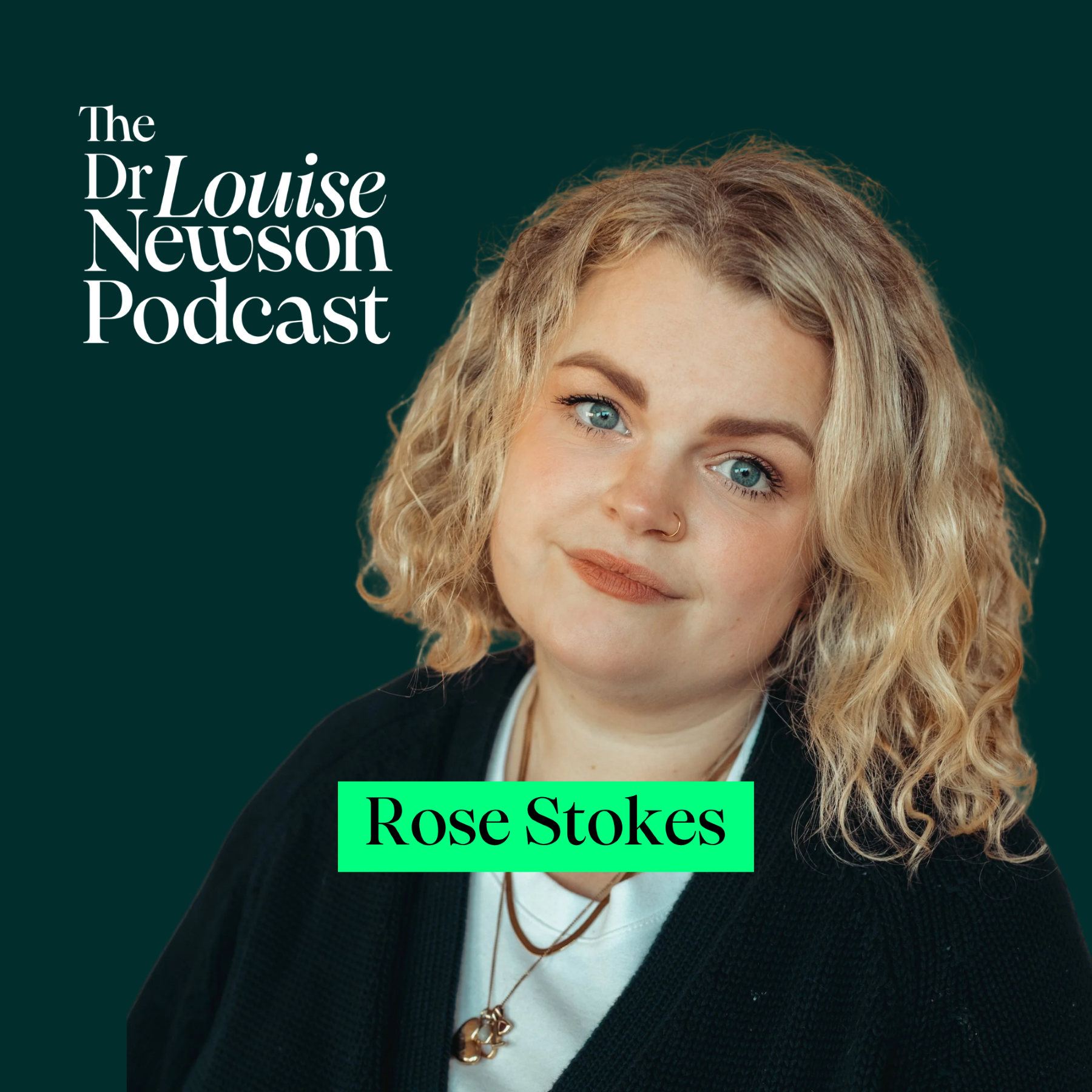
Rose Stokes, journalist and host of the Matter of Fat podcast, joins Dr Louise Newson to talk GLP-1 weight-loss drugs, the hormones behind weight gain and the shame around women's bodies.
Rose has lived with obesity on and off for thirty years and is currently taking GLP-1 medication herself, after months of exercise and calorie counting made no difference to her weight post-pregnancy. She and Louise talk candidly about what these drugs can and can't do, and why "easy" is the last word Rose would use to describe taking them.
Louise explains why women are so often told their weight is a food and exercise problem when the real cause can be hormonal. They also cover the research gaps around GLP-1s and women's hormones and why blame and shame make it harder to get the right help.
Rose closes with her three take-home tips for anyone rethinking their relationship with weight.
@rosestokes
Let’s connect
👉 Track your symptoms andunderstand hormones, download the Balance app: https://bit.ly/4yZty5A
👉 More from Dr LouiseNewson: https://linkin.bio/drlouisenewson
👉 Follow Rose: Insta: @rosestokes
👉 https://podcasts.apple.com/us/podcast/a-matter-of-fat/id6805913565
👉 https://open.spotify.com/show/469s4SFr3DNivfx1dQVyXR?si=9065a05ed85b4723

Dr Louise Newson is an award-winning physician, respected women's hormone specialist, educator, and author committed to increasing awareness and knowledge of perimenopause, menopause, and lifelong hormone health. Each week, Louise dives into the newest research, treatments and hot topic issues, providing accessible, evidence-based information to empower your future health. Joined by fellow experts and special guests, with answers to your burning questions, Louise explores how hormones impact every aspect of our lives.
Described as the "medic who kickstarted the menopause revolution", Louise aims to empower a generation of women to have a greater understanding, choice and control over their treatment, bodies, minds and future health through their hormones. She is the creator of the award-winning free balance app, a Sunday Times bestselling author and the founder of the Newson Health clinic. With over three decades of clinical experience, Louise is a member of the Royal College of Physicians, a Fellow of the Royal College of GPs, a Visiting Fellow at Cambridge, a regular contributor to academic journals including the Lancet and the British Journal of General Practice, and has been awarded an honorary Doctorate of Health from Bradford University.
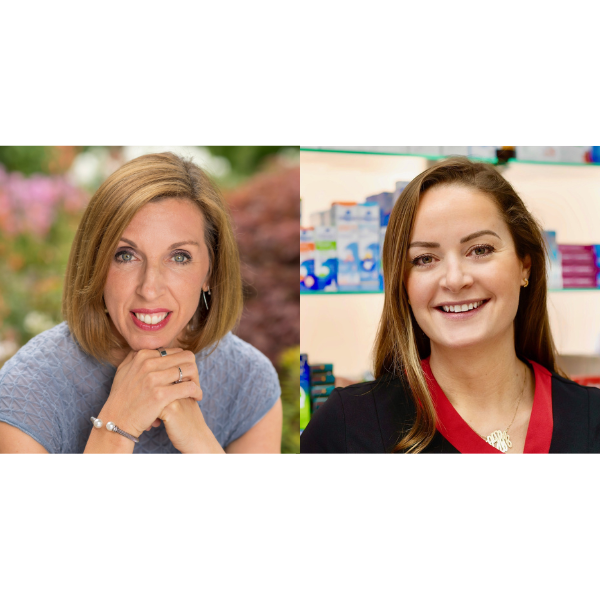
Victoria Jones is a community pharmacist at Bonnybrook Pharmacy in Coolock, Dublin. She received very little education on the menopause when training and became more interested in hormone health after her sister experienced severe symptoms at 40 and began taking HRT. The dramatic return of her sister’s health and wellbeing prompted Victoria to move away from running a chain of pharmacies to set up her own independent pharmacy with a focus on women’s health. When Victoria experienced her own perimenopause and she saw the profound benefits of HRT for herself, her passion escalated and Victoria now takes a very active role in raising awareness in her community with the public and local healthcare professionals, and in educating others through her social media.
Victoria’s advice to women:

Dr Heather Hirsch makes a welcomed return to the podcast this week. Heather is an internal medicine physician, specialising in women’s health and menopause care at the Brigham and Women’s Hospital in Boston Massachusetts, USA. Her clinical work and research centres on inequalities or unanswered questions in the field of women’s health, specifically in menopause education.
In this episode the menopause experts discuss the bigger picture of menopause care as a gender issue, women’s role in society and in the workplace, perceptions of women’s suffering and the menopause as a medical specialty. Louise and Heather share the challenges they each continue to face to educate and inform the public and healthcare professionals on the perimenopause and menopause and the benefits and safety of HRT.
Heather’s 3 tips:
Follow Heather at:
Instagram @heatherhirschmd
Website: heatherhirschmd.com
YouTube: Health by Heather Hirsch
Podcast: Women’s Health by Heather Hirsch

Dr Saira Hameed is a consultant endocrinologist working at the Imperial Weight Centre and at Imperial College London. Her work focusses on researching the drivers for appetite, obesity, and regulation of body weight to develop science-based interventions that help people manage their weight and lead healthier lives.
In this episode the experts discuss the impact of obesity on individuals’ health, on the NHS and wider society, and the science behind sugar, fats, and processed foods. Dr Hameed’s book, The Full Diet, explains the weight loss programme that is used in the NHS by clinicians and patients and was developed and trialled at Imperial College.
Saira’s 3 tips:
The Full Diet book is available now and published by Michael Joseph.
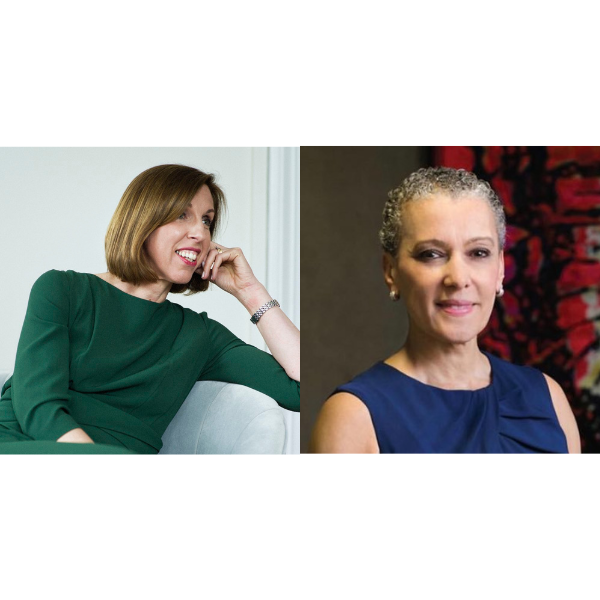
Dr Sharon Malone is an eminent American physician who has worked as an obstetrician and gynaecologist for over 30 years in Washington DC. After 15 years of working mostly as an obstetrician, Sharon changed to specialise in menopause care around the time of her own perimenopause. She is passionate about educating women to understand their own hormone journey and empower them with evidence based information about hormone treatments.
The experts discuss the challenges of influencing and persuading medical colleagues on the benefits of hormone replacement, the importance of patient choice and agency, and the lack of menopause research and need for government funding.
Dr Malone’s advice to women:
To read or listen to Dr Malone’s Washington Post op ed, click here.
Dr Malone is the Chief Medical Officer at US based menopause company Alloy, to find out more, click here.
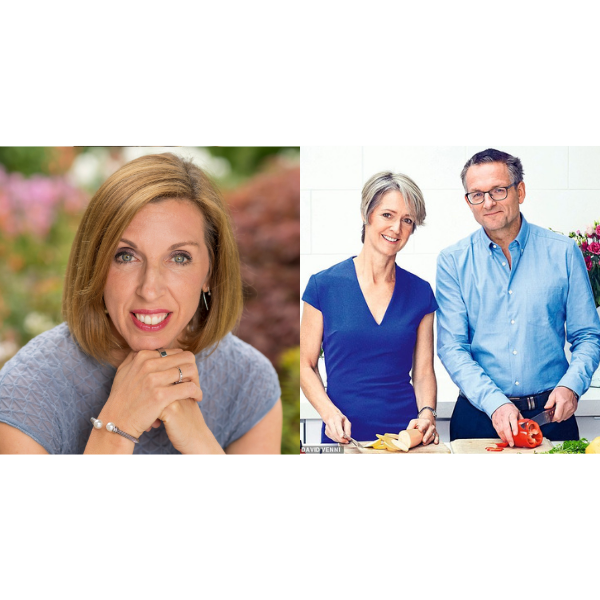
Dr Clare Bailey is a GP and health columnist with extensive experience in helping people lose weight and improve their health. Dr Michael Mosley is a science presenter, journalist and executive television producer. Together, they have authored several bestselling books on weight loss, diet and diabetes and created the popular 5:2 and fast 800 diets.
In this episode, the guests describe the evidence showing the positive effects of incorporating principles such as the Mediterranean style diet and time-restricted eating into your lifestyle and how the fast 800 diet can dramatically improve your health outcomes, particularly in reversing type 2 diabetes. The ‘metabolic car crash’ of poor sleep, low hormones, poor diet and weight gain for women during the perimenopause and menopause are also discussed.
Clare and Michel’s top tips:
For more information on Clare and Michael’s diet books and the fast 800 diet, visit thefast800.com
Follow Clare’s recipes on Instagram @drclarebailey
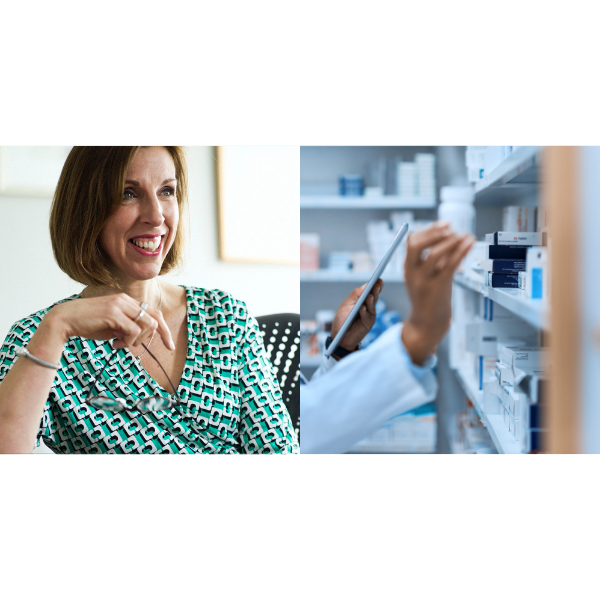
Rupa Lyall is a clinical pharmacist who works in a GP practice in Buckinghamshire seeing patients with minor illnesses and prescribing medications. In this episode she tells Dr Louise Newson how she became interested in the perimenopause and menopause and how, through the training on fourteenfish.com and resources on the balance website, Rupa now supports and educates other clinicians in HRT prescribing.
Their conversation covers raising awareness among professionals, working with patients from BAME communities, the importance of empowering women to improve their quality of life and the transformational effects of hormone replacement.
Rupa’s 3 tips for pharmacists interested in the menopause:

In this episode, Dr Thulasi Naveenan talks to Dr Louise Newson about her experiences as a 3rd year GP trainee working in a central Manchester practice and learning on the job when it comes to HRT prescribing. The conversation covers working with patients from different cultures and with interpreters or family members, challenging misinformation, health risks after menopause and gender differences, and introducing the topic of hormones at 40-year health checks. Thulasi gives an honest and reflective account of what she has learnt about women’s health and hormones in her last 7 years of practising as a doctor.
Thulasi’s advice to clinicians learning about menopause:
You can follow Dr Thulasi Naveenan on Instagram at @tnaveenan and on Twitter at @ThulasiNaveenan
Since the recording of this podcast, there has been further discussions with Cancer Research UK.
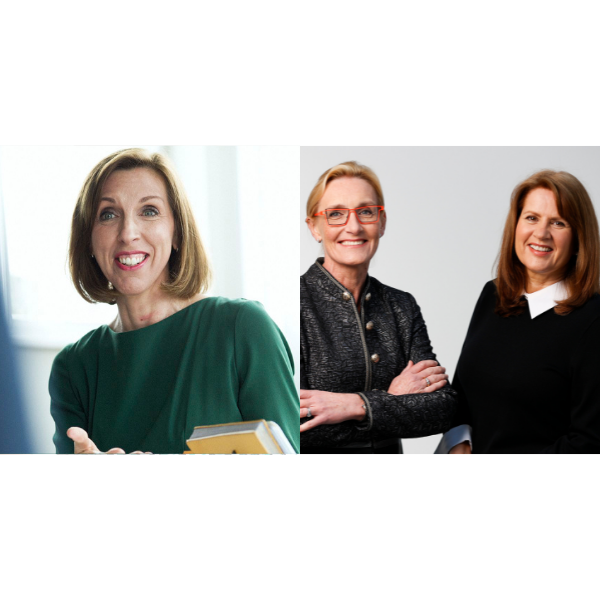
Consultant Gastroenterologist Professor Barbara Ryan and Clinical Dietitian Elaine McGowan are The Gut Experts, passionate about digestive health and helping women with debilitating bloating and irritable bowel symptoms.
In this episode, the experts discuss why more women are troubled by gut related symptoms compared to men, how gut and bowel problems have a very real impact on women’s lives, and why eating the right type, amount and variety of foods is so important for your gut health and overall wellbeing. The Gut Experts also talk about their new book written for women of all reproductive ages experiencing gut and bowel related symptoms.
Barbara’s tips for improving your future digestive health:
Elaine’s tips for improving your diet:
Visit the Gut Experts website at https://thegutexperts.com/
The Gut Experts book, What every woman needs to know about her gut, contains solutions for bloating, IBS, and digestive symptoms and is out now, published by Sheldon Press.
Follow Barbara and Elaine on Instagram @thegutexperts
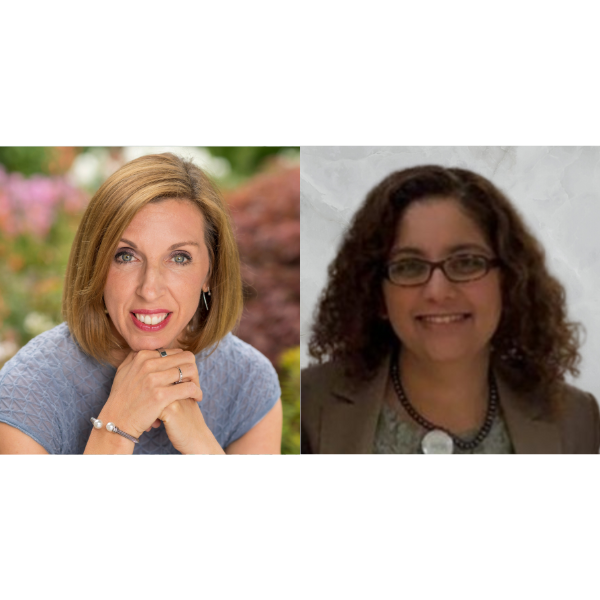
Dr Rajvinder Khasriya is a urogynaecologist who leads the Lower Urinary Tract Symptoms clinic at the NHS Whittington Hospital in North London, and is also involved in research work at University College London.
In this episode, the experts discuss urinary tract infections (UTIs) and the role a lack of hormones play in their occurrence and ongoing recurrence. Dr Khasriya explains how common and debilitating UTIs can be for women in the peri/menopause, why traditional methods of testing and treatment are often unsuccessful, and she outlines the benefits of using vaginal hormonal treatments as part of a holistic approach for managing UTIs.
Dr Khasriya’s tips for women with UTIs:
The patient groups:
Embedded/Chronic UTI Support Group
Do you suffer from reoccurring UTIs? Many of us have been previously incorrectly diagnosed with Interstitial Cystitis (IC) and have come to learn our condition is actually an embedded or chronic UTI…
One in three. women will have a UTI by the age of 24 1. 90%. of chronic urinary tract infections are missed by the standard MSU culture test 2. 70%. the risk of recurrence within a year 3.
Women asked if bladder drug should be available to buy. A pill to help treat an overactive bladder – which affects millions of women – could soon be available to buy in the UK without prescription.
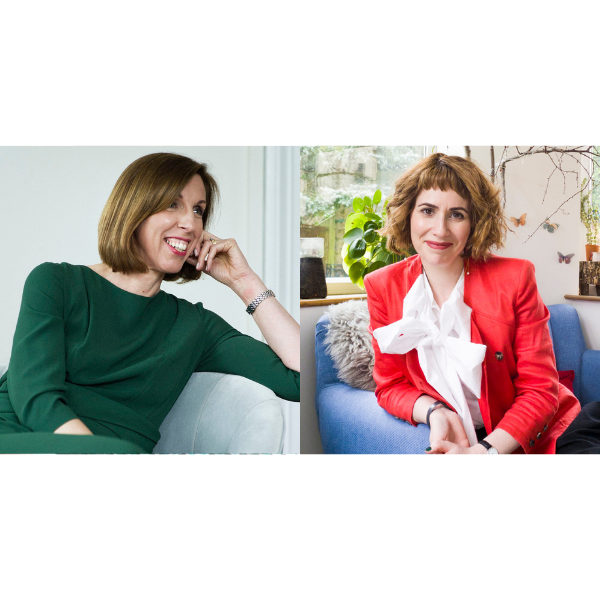
Dr Jan Smith is a chartered psychologist, executive coach, author, campaigner and the director of Healthy You Ltd. She has over 15 years’ experience providing psychological support to those affected by injury and clinical negligence. In 2014, Jan developed a birth trauma service and campaigns to improve safety in maternity services for families and staff and provides training in the UK and internationally to maternity students and healthcare professionals on birth trauma and its impact.
In this episode, Jan describes to Dr Louise Newson how women can feel after a difficult birth or medical experience, and how trauma related emotions can resurface many years later at peri/menopause when psychological and genitourinary changes occur, often affecting relationships and intimacy.
Jan’s 3 pieces of advice:
For more about Jan and Healthy You, visit www.healthyyoultd.co.uk
Find Dr Jan Smith on Twitter at @healthyyoultd and on Instagram at @drjansmithinsta.
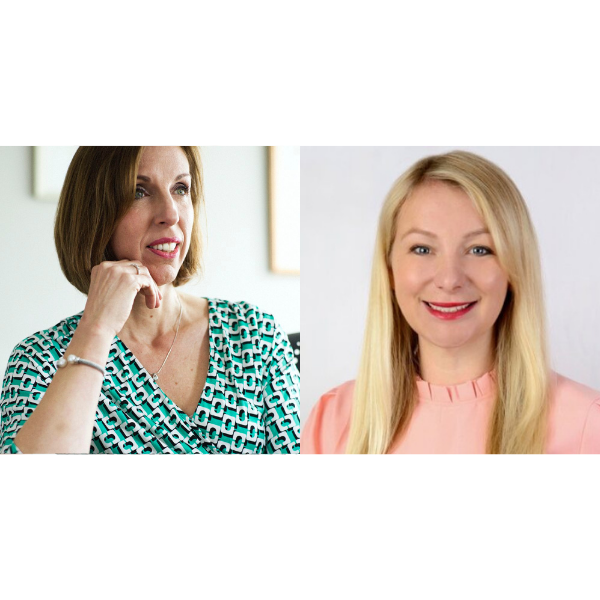
In this episode, Dr Louise Newson speaks to Dr Abbie Laing about why she now specialises in menopause care and what she has learnt through her research and writing on the subject. Together the experts discuss clinical hot topics where misinformation and misunderstandings are rife such as what the evidence shows about the risk of clots and breast cancer with HRT, and treating symptoms of genitourinary syndrome of menopause (GSM) with vaginal oestrogen.
Abbie’s 3 tips for women with symptoms of GSM:

In 2004, Dave and Steve Flynn started a fruit and veg shop, with the aim to create a happier, healthier world. The Happy Pear now has vegan food products in nearly 1,000 stores in Ireland, 2 cafes and a farm, and their five cookbooks have all been no.1 bestsellers. The Happy Pear online health and lifestyle courses – in which they partnered with plant-based experts from across the globe – have helped over 50,000 people from 120 different countries.
In this episode, Dr Louise Newson chats with Dave and Steve about how they came to realise in their early 20’s that eating plant-based and whole foods would transform their own lives and those in their community. The lads energetically describe the different ways in which they have helped others turn their lives around, reduce risk of heart disease, feel happier and lose weight.
Dave and Steve’s 3 tips to improve your diet and future health:
For more information about the Happy Pear cookbooks and lifestyle courses, visit The Happy Pear Website.
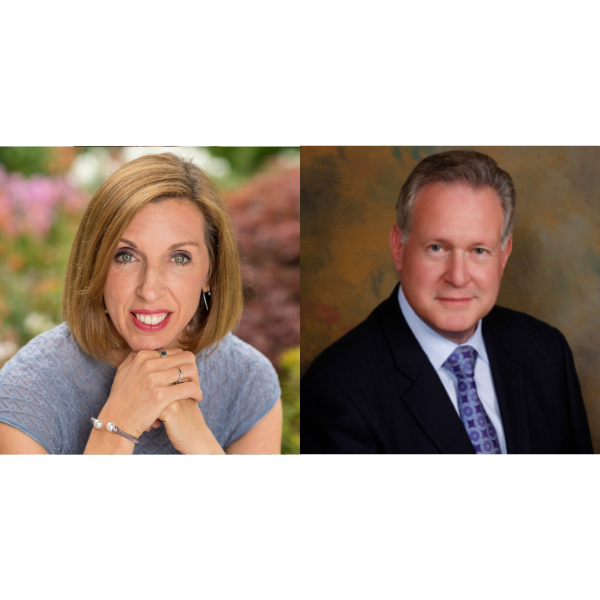
Dr Robert Lustig is Professor emeritus of Pediatrics at the University of California, San Francisco. He specialises in the field of neuroendocrinology and his research and clinical practice focuses on childhood obesity and diabetes. Dr Lustig has led a global discussion of metabolic health and nutrition, exposing some of the leading myths that underlie the current problem of diet-related disease. He is the author of several books including the books Fat Chance and Metabolical: the truth about processed food and how it poisons people and the planet.
In this episode, Dr Lustig talks to Dr Louise Newson about the influence of sugar, fats, and processed foods on our brains and health, changing minds of the public and health professionals and challenging the food industry. And – just as with changing public perception of HRT – challenging misconceptions about sugar and processed food starts with education.
Dr Lustig’s 3 tips to improve your diet:
Dr Lustig’s website and more about all his books can be found here.
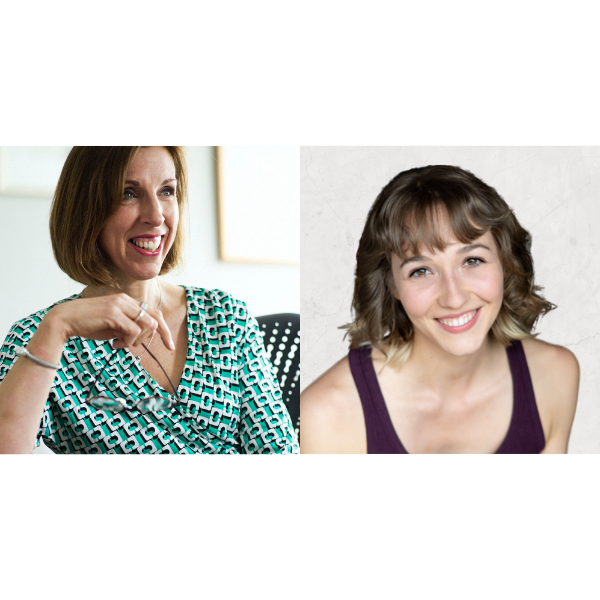
Ava Vanderstarren is a performing artist, actor and public speaker. She is the co-author of Blossom Living With Premature Ovarian Insufficiency / Early Menopause Journal and is the co-founder of the charity Innocence Lost Foundation. She has over 10 years lived experience of POI & mental health maintenance.
In this episode, Ava discusses her experiences of her POI diagnosis when she was 17 and how confused and isolated she felt at the time. Ava has co-authored a supportive journal for young people to help readers through diagnosis of POI or early menopause and to provide clear information and help them feel less alone.
Ava’s 3 tips:
For more about the Blossom Living with POI / EM Journal:
Connect with Ava on social media:
Instagram & TikTok: @avavanderstarren
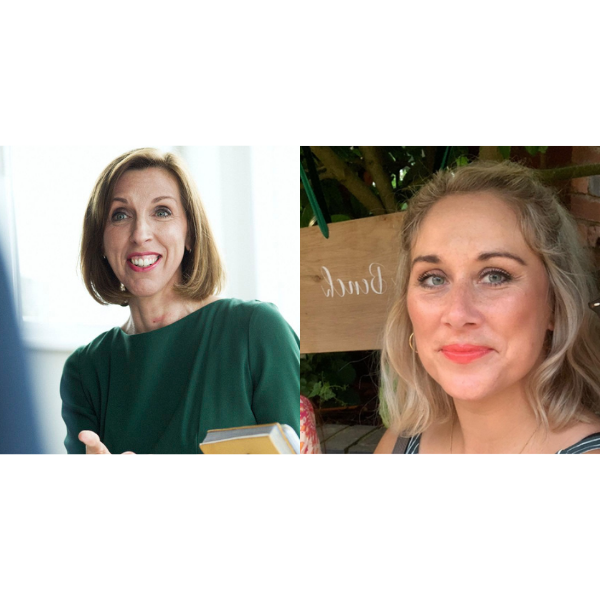
Vicki is 39 years and has struggled with heavy periods and related pain since she was 10 years old. She was eventually diagnosed with endometriosis at 22 but continued to suffer with severe pain, heavy bleeding and UTIs, despite treatments and multiple surgical interventions. As a last attempt to be pain free, Vicki chose to have a hysterectomy when she was 35. Even though her ovaries were not removed, she realised she was entering menopause after the operation when she began having night sweats, insomnia, anxiety and very dry hair and skin. The ‘cure’ Vicki was hoping for didn’t materialise – another battle just began instead, as it took 18 months to access the treatment she now needed for her menopause.
Vicki shares some of the struggles younger women have when trying to get help for endometriosis and/or a surgical or early menopause, and reflects on the decision she made and the lack of information provided to her at the time. Dr Louise Newson advises women in this situation to speak with their doctor about the likelihood of surgery triggering menopause and to find out about the symptoms and benefits of HRT in advance, so you are prepared.
Vicki’s tips if you have, or think you have, endometriosis:
Follow Vicki on Instagram
For more about endometriosis, visit Endometriosis UK

Jonathan Wolf is the CEO and co-founder of ZOE, a health technology company that focusses on personalised nutrition. ZOE runs the world’s largest nutrition science study with universities such as Harvard and King’s College London, investigating the gut microbiome and how nutrition can improve overall health and wellbeing. During the COVID pandemic, their valuable technology was utilised to help scientists understand more about the virus. The COVID-19 symptom study app was designed at record speed and had a million users within 24 hours of launch.
Dr Louise Newson speaks with Jonathan about the latest understanding of how the gut microbiome affects our health and weight, how much our genes our to blame (or thank) for our body shape, and about ZOE’s latest study into the menopause and metabolic responses, nutrition and the microbiome.
For more information on ZOE’s research and products, visit Join Zoe.
The podcast mentioned and hosted by Jonathan is ‘ZOE Science and Nutrition’.
.png)
In this episode, Dr Louise Newson is joined by two women, Rhona and Tanya, who share their experiences of fertility support, pregnancy, and having symptoms of low hormones after the birth of their children.
Rhona asked the fertility specialists whether the hormone treatments she was taking to become pregnant would affect the onset of her menopause and she was told that it wouldn’t. 18 months after giving birth while still breastfeeding, Rhona experienced severe symptoms due to low hormones and spent 2 years suffering and seeking help before a friend suggested it could be her perimenopause. After seeing a menopause specialist and finding real improvements with HRT, Rhona wants other women to be aware that problems after childbirth might not simply be ‘baby blues’ but could be the start of perimenopause.
Tanya also had a child with the help of fertility treatments in her 40s, and during screening tests it revealed that indications of perimenopause had begun. The IVF was successful, but after the birth of her baby and a relocation, Tanya’s mood plummeted and she experienced a range of symptoms caused by low hormones. Her GP offered antidepressants, but Tanya didn’t think it was postnatal depression and knew her hormones were involved. Tanya is now pregnant again and is apprehensive about what will happen due to low hormones after her next birth.
Louise explains what is – and isn’t – known about hormones during pregnancy and in the postnatal period, and why this can affect women so much in the months and years after birth. She describes the benefits of topping up those hormones with HRT and the multiple improvements it could bring to women at this challenging time.
Rhona and Tanya’s advice for women thinking about pregnancy and perimenopause:

Content advisory: this episode includes discussion of suicide
Peter Smith joins Dr Louise Newson this week in a difficult and emotional episode. Peter lost his wife, Victoria, to suicide a year ago after she experienced a sudden change in her mental health in her late 40s. In their quest to understand how things could have got to such a crisis point for Victoria, Peter and his family have learnt more about the menopause and mental health, and they’ve raised the question of whether Victoria’s perimenopause could have been responsible for, or at least contributed to, her sudden mental illness when she had never previously experienced any such difficulties.
Peter describes the series of events that led up to Victoria’s death and how healthcare professionals dismissed the possibility of hormones playing a part in the worsening of her mental health, both at the time and during a recent inquest. Louise explains the work she is now jointly involved in, with Peter’s help, to raise awareness of the link between mood and menopause both in Pete’s local NHS Trust and nationwide.
Peter’s advice for partners if your loved one is struggling:
Contact the Samaritans for 24-hour, confidential support by calling 116 123 or email jo@samaritans.org
.png)
Sarah Davies is an experienced business coach and trainer who previously spent over 15 years in senior international corporate roles and as a head-hunter for senior executives. Sarah supported her sister, Dr Louise Newson, as business manager, six years ago when Newson Health menopause clinic was launched. Seeing how devastating the consequences of the menopause affect personal and professional lives, Sarah set up Talking Menopause to educate and support men and women across all levels on the impact of menopause at work.
In this episode, Louise and Sarah look back on starting their respective journeys into menopause care and support services, and discuss the real-life impact of the perimenopause and menopause in the workplace. Sarah shares some of the outcomes of her workshops and webinars and describes how Talking Menopause stimulates cultural change within organisations.
Sarah’s advice to workplaces:
1. Everyone should be aware of the peri/menopause and respond to it as a normal process for their employees and their partners
2. Consider the practical side; where is the safe space for women to escape to? What are the practical solutions for women suffering at work?
And to women at work: don’t suffer in silence, talk to a friendly colleague, download the balance app and go and see your healthcare professional if you’re not getting the right level of support. There’s a lot of help out there.

Simona Stokes is an experienced counselling psychologist who uses cognitive behavioural therapy (CBT) and eye movement desensitisation and reprocessing (EMDR) to help people with stress, depression and anxiety. After 20 years working in the NHS and voluntary sector, she then founded her own clinic in Birmingham, and has developed an interest and specialist knowledge in helping women with the emotional and psychological challenges of the peri/menopause. Simona’s personal experience of hormonal changes hit her hard and this led her to develop and successfully implement the psychological tools she had at her disposal to support her own journey and made her realise many women need help to understand the impact their hormones have on their moods, thoughts and emotions.
In discussion with Dr Louise Newson, Simona explains the power of oestrogen as our primary fuel and the problems that can arise when oestrogen falls. She explains the difference in perimenopausal depression compared to general depression, what CBT is and how it can help women at this time of life that can often be a pinch-point on our emotions. Simona advises how to look after yourself and your emotions and elaborates on why so many women feel a sense of loss of one’s role, of identity, and loss of purpose at this time.
Simona’s advice for women experiencing emotional challenges:
Simona’s clinic and website details can be found here.
The ‘Meno D’ rating scale to detect depression that Simona refers to can be found here.
If you would like to access psychological therapies via the NHS explore your options here.
You can find Simona on her social media pages at:
Instagram @menopausebtclinic
Facebook Thriving Beyond 40

Dr Louise Newson met Dr Naomi Jiagbogu over a decade ago at Birmingham Medical School when Louise was mentoring students who were studying medicine as a post-graduate degree. Naomi subsequently qualified, began her GP training and moved to Manchester with husband, Aria, who was training to be a paediatrician. Louise and Naomi discuss their memories of the post-graduate course and reflect on how the students were older, from more varied backgrounds and had broader life experiences than you would typically find on an undergraduate course and how these factors enhanced the student’s skills and learning, especially when relating to patients.
After beginning her GP training, Naomi’s husband Aria sadly developed a brain tumour and after surgery, treatments and a yearlong remarkable recovery, the cancer returned and Aria died in 2020. During his illness, Aria wrote two children’s books for their young son about sickness, loss and family, and he also wrote a memoir for adults titled Broken Brain: Brutally Honest, Brutally Me. Together, Naomi and Louise discuss the importance of looking beyond the disease and connecting with the person not just the patient, and consider how personal suffering can transform the way you communicate as a clinician.
For more details about Aria’s story and books please visit his website.
The books can be purchased from here. Or Amazon.
The royalties from Arias children’s books are going to Brain Tumour Research, Royal Medical Foundation, Society for the Assistance of Medical Families and Royal Medical Benevolent Fund.
If you have listened to Naomi’s story and would like read more and donate to Brain Tumour Research, please click here.
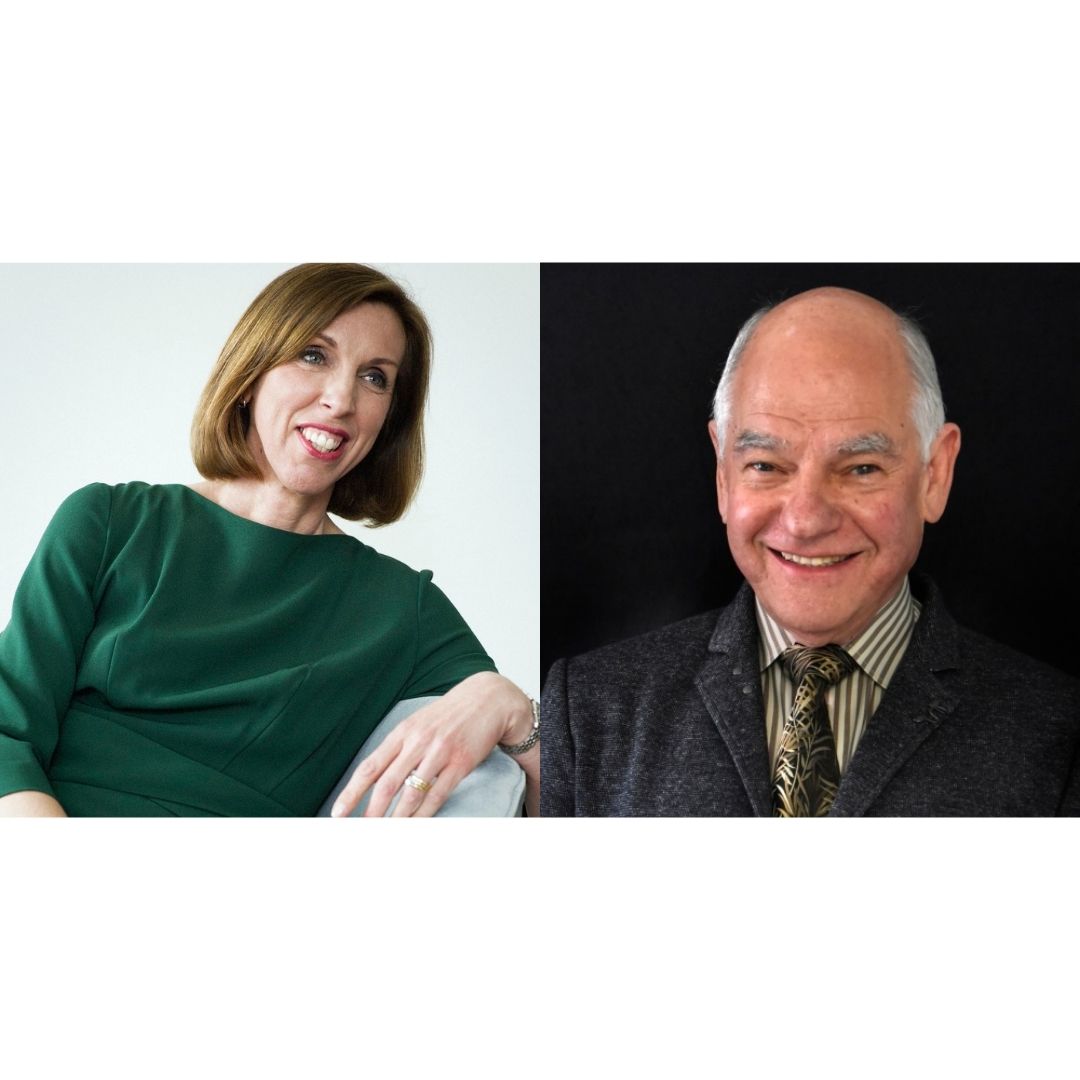
Medical oncologist Dr Avrum Bluming makes a welcome return to the podcast this week to re-visit the hot topic of menopause hormone therapy after breast cancer. Avrum has spent decades studying the research on the benefits and risks of HRT in women with a history of breast cancer and is passionate about giving women clear, evidence-based information that dispels myths and combats the misinformation that has unnecessarily frightened women and clinicians for over 20 years.
In discussion with Dr Louise Newson, Avrum clearly explains what his recent review of the literature reveals about the safety of HRT and the benefits it brings for your future health. The experts highlight the gender disparities that are commonplace in how women with cancer are treated with regard to their hormones compared to men, and they also discuss the importance of patient-centred medicine and giving women choice.
Avrum’s three tips for women interested in exploring their menopause treatment options after breast cancer:
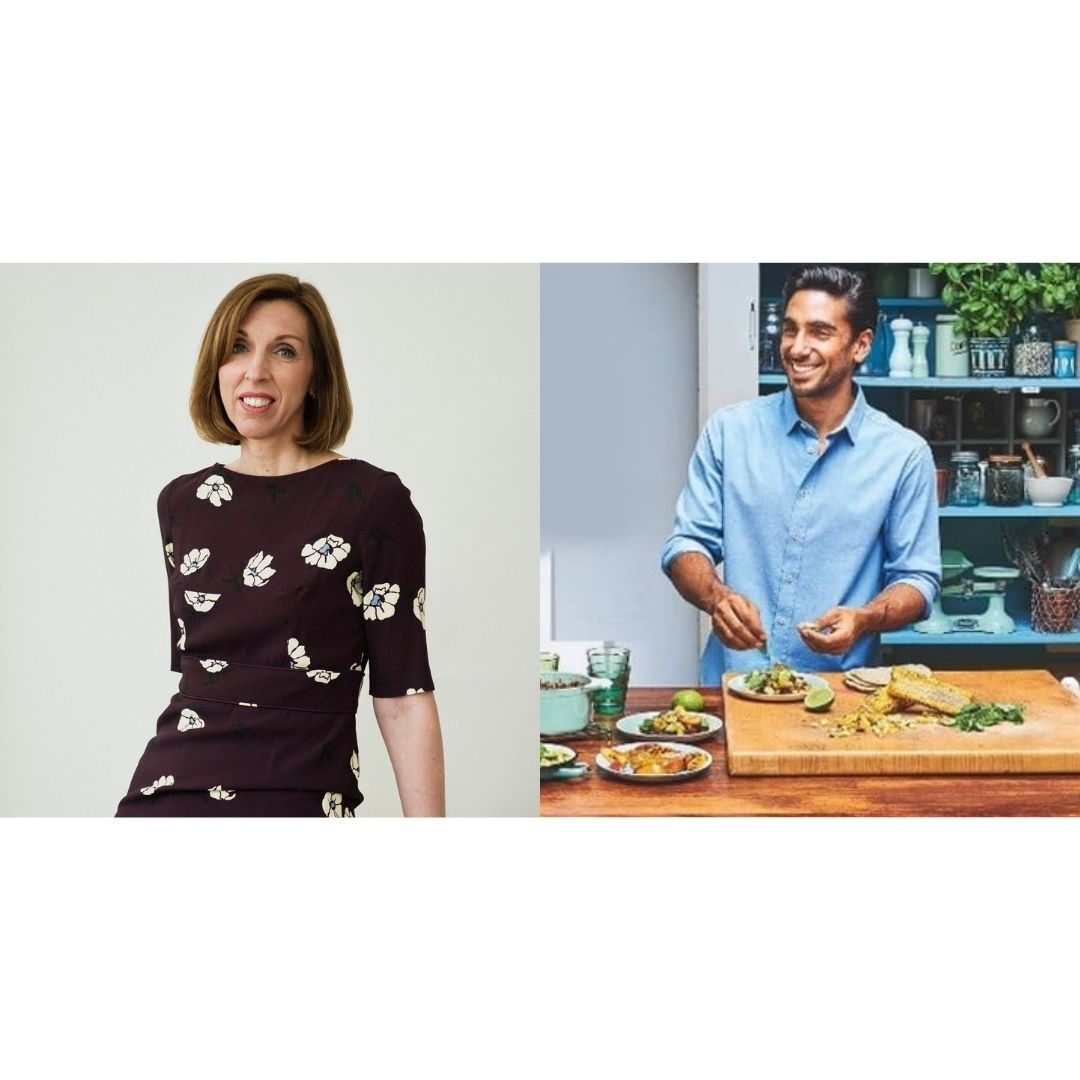
Dr Rupy Aujla was in his mid-20s and beginning his career as a doctor when heart problems caused him to re-evaluate what he thought he knew about health, nutrition and medicine. Having previously rejected his parents’ influences of traditional Indian medicine, Dr Rupy began delving deeper into some of those concepts and the science of nutrition that he wasn’t taught at medical school.
In this episode, he talks to Dr Louise Newson about the principles of healthy eating, how a busy lifestyle and your environment often make it challenging to find and choose healthy, affordable foods, and the experts share their concerns around childhood obesity, anxiety around food, and the particular metabolic changes faced by those going through peri/menopause due to a lack of oestrogen.
Dr Rupy’s three tips for improving your nutrition:
For details about Dr Rupy’s app, his books and recipe ideas, visit thedoctorskitchen.com

Kate Muir returns to the podcast to discuss her ground-breaking new book on the menopause, which she describes as the most difficult and complex subject she has investigated to date. Dr Louise Newson speaks to Kate Muir about the shoddy science and lies that women have been told over the years and what Kate has learnt about past and current research from speaking to over 100 experts, and the real life impact on women from the conversations she has every week.
In this episode, discussion also turns to the ‘Davina effect’, referring to the impact of Kate’s Channel 4 documentary that was aired in May 2021, presented by Davina McCall, and has been a game-changer in raising the social and medical profile of menopause within primary care and in helping to inform and empower women to seek help.
Kate’s three wishes over the next three years:
Kate’s new book is titled Everything you need to know about the menopause (but were too afraid to ask) and is published by Gallery UK.
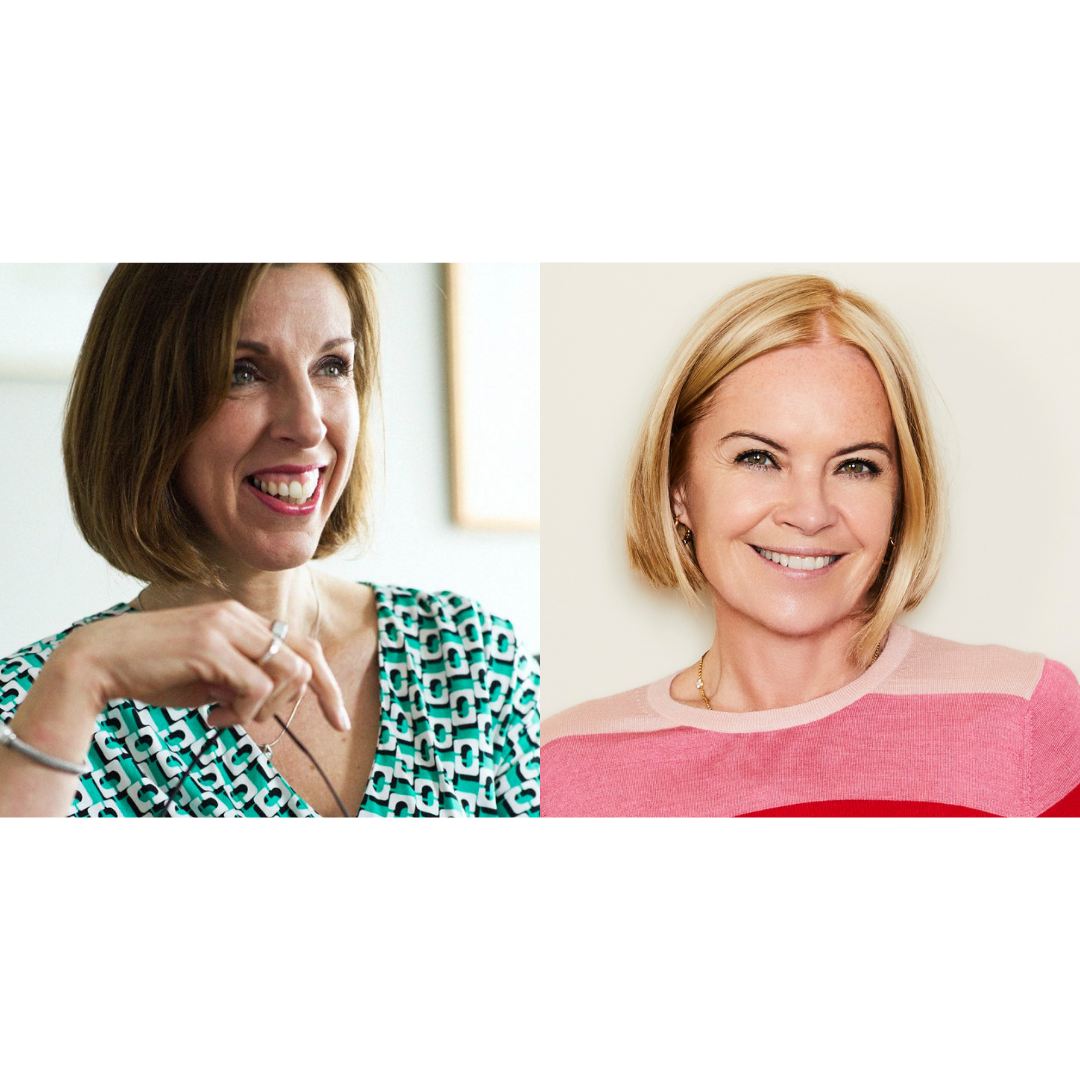
Journalist and presenter, Mariella Frostrup, joins Dr Louise Newson for an energetic discussion and a whistle-stop tour through current insights and reflections on the way society approaches the menopause. Mariella talks about why she is ‘still banging on’ about the menopause, why you needn’t be afraid of HRT, and why it’s time to stop the silence and shame that surround it.
In 2018, Mariella presented one of the first documentaries on the menopause and broke the taboo of celebrities speaking honestly about their own experiences. Mariella’s recent book, Cracking the Menopause: While Keeping Yourself Together, separates the myths from the reality and offers expertise, hope and advice for all affected by the perimenopause and menopause.
Mariella’s four hopes to improve the experience of menopausal women:
Find out more about Mariella’s work at www.mariellafrostrup.co.uk
Cracking the Menopause: While Keeping Yourself Together is published by Bluebird.

Popular online personal trainer, James Smith, admits he only read Dr Louise Newson’s most recent book to check out the literary competition when their new books were released back-to-back. He bought a copy and read it on holiday and while he may have got some funny looks for his poolside choice of reading, James discovered many new insights about the perimenopause and menopause that he knew would really help his female clients in their quest to reach fitness and weight loss goals.
Louise and James discuss the common pitfalls many people go through when trying to exercise, perhaps out of obligation or to lose some of that midlife spread around the middle, and they warn against the plethora of misinformation on the internet about nutrition and training.
James’s three exercise tips for you:
For help with a personalised exercise programme and meal plans, check out James’ website at www.jamessmithacademy.com
James’ bestselling books, Not a Diet Book and Not a Life Coach are published by Harper Collins.
Listen to James’ recent podcast episode featuring Dr Louise Newson at The James Smith Podcast Library.
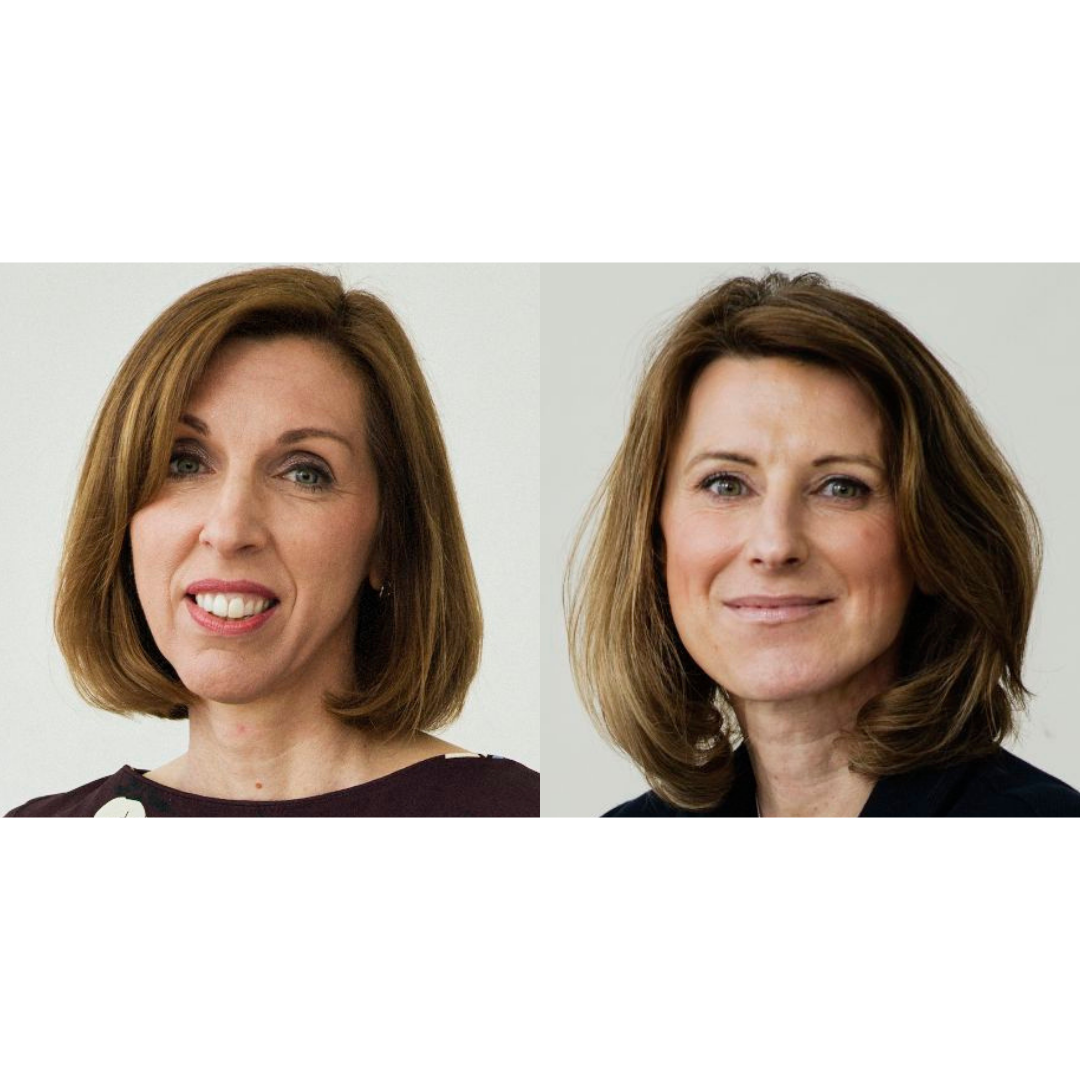
Dr Rebecca Lewis, Clinical Director at Newson Health, returns to the podcast for the first episode of 2022 to discuss the perimenopause with Dr Louise Newson. The experts explain what the term means, what’s happening to your hormones during this phase, and how it can be diagnosed. Dr Rebecca Lewis offers practical advice on how to speak to your healthcare professional to convey the range of related perimenopausal symptoms and raise the issue of hormones.
Find out what your increased health risks are when your hormones change and what you can do to mitigate these risks. The perimenopause is discussed as an opportunity to take stock and consider introducing some small changes to your lifestyle that will improve both your physical and mental health.
Rebecca’s three top tips if you think you might be perimenopausal:

Pharmacist, Jonathan Underhill is a consultant clinical advisor for the Medicines Optimisations team at the National Institute for Health and Care Excellence (NICE). His work is focused on evidence-based medicine but, as he explains, this is more than simply telling people what to do. One of the particular focuses of Jonathan’s work is the process known as ‘shared decision making’ between the clinician and the patient and he’s interested in how you involve a person in choices and decisions about their own healthcare.
Jonathan outlines some of the reasons NICE was originally set up – to reduce uncertainty and variation in prescribing – and with Louise, he evaluates whether this has been the outcome 6 years down the line, after the release of the NICE guidelines on menopause diagnosis and management.
Jonathan’s tips for shared decision making as a patient:
And for healthcare professionals:
The NICE guidelines on menopause can be read in full here and more about shared decision making can be found here.
If you are a healthcare professional, you can find four hours of free online learning in shared decision making from NICE and Keele University here.

In this episode, Dr Louise Newson is joined by Lucy Chatwin, who is responsible for the not-for-profit organisation, Newson Health Research and Education. Lucy has had a portfolio career that has taken her through environmental science and operations, through human resources and management into health, in particular service improvement and transformation roles in the NHS. Her last role in the West Midlands Academic Health Science Network focused on supporting the adoption of innovation into health services to improve health outcomes for people. Lucy is perfectly placed to bring together the often diverse worlds of industry, academia, and clinical organisations to drive improvements that will make a real difference to the lives of people in the perimenopause and menopause and those around them.
Lucy discusses the range of opportunities for innovation in menopause research, education and management and encourages those working in health and academia to ‘think hormones’ as an integral part of their practice.
Lucy’s tip for women is make time for yourself to unpick what is going on if you think you may be perimenopausal, don’t just assume it’s down to other things. Download the balance app at www.balance-menopause.com to help understand your hormones, the impact they’re having on you and how to get help for your symptoms.
Lucy’s tips for healthcare professionals:
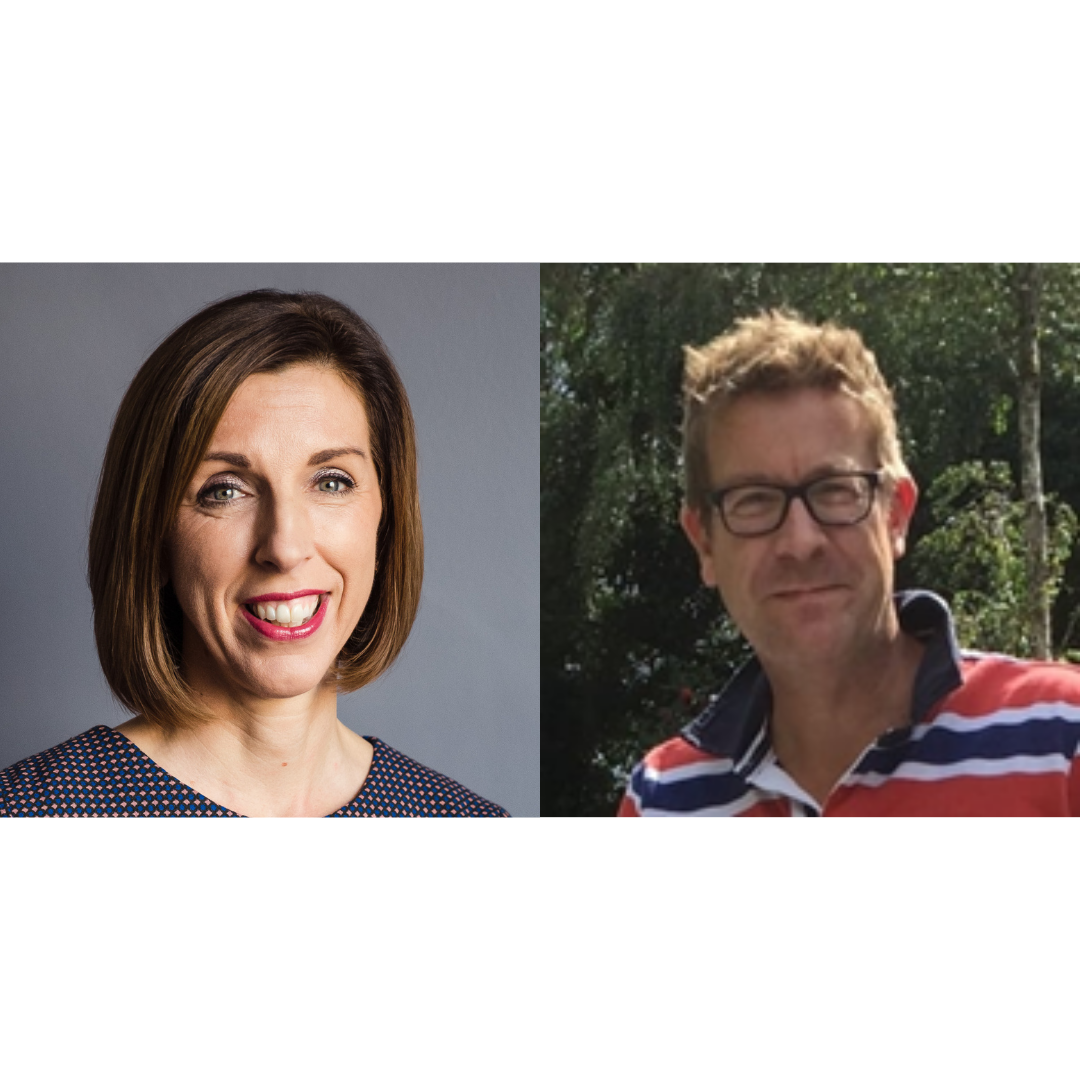
Dr Richard Hull teaches philosophy at the National University of Ireland, Galway. Due to a coming together of work life and home life in lockdown and his wife’s experience, Richard began thinking and writing about the menopause from an ethical and philosophical perspective. As an issue under our noses all the time, he was astounded that more isn’t written about it, and he queries the lack of ethical concern for women regarding this time of life and the impact on those around them.
Richard discusses with Dr Louise Newson the importance of raising awareness of perimenopause and menopause, sharing accurate information, training healthcare professionals and empowering women with the right knowledge to recognise what is happening to them and to get the help they need through treatment.
Richard’s three hopes for change:
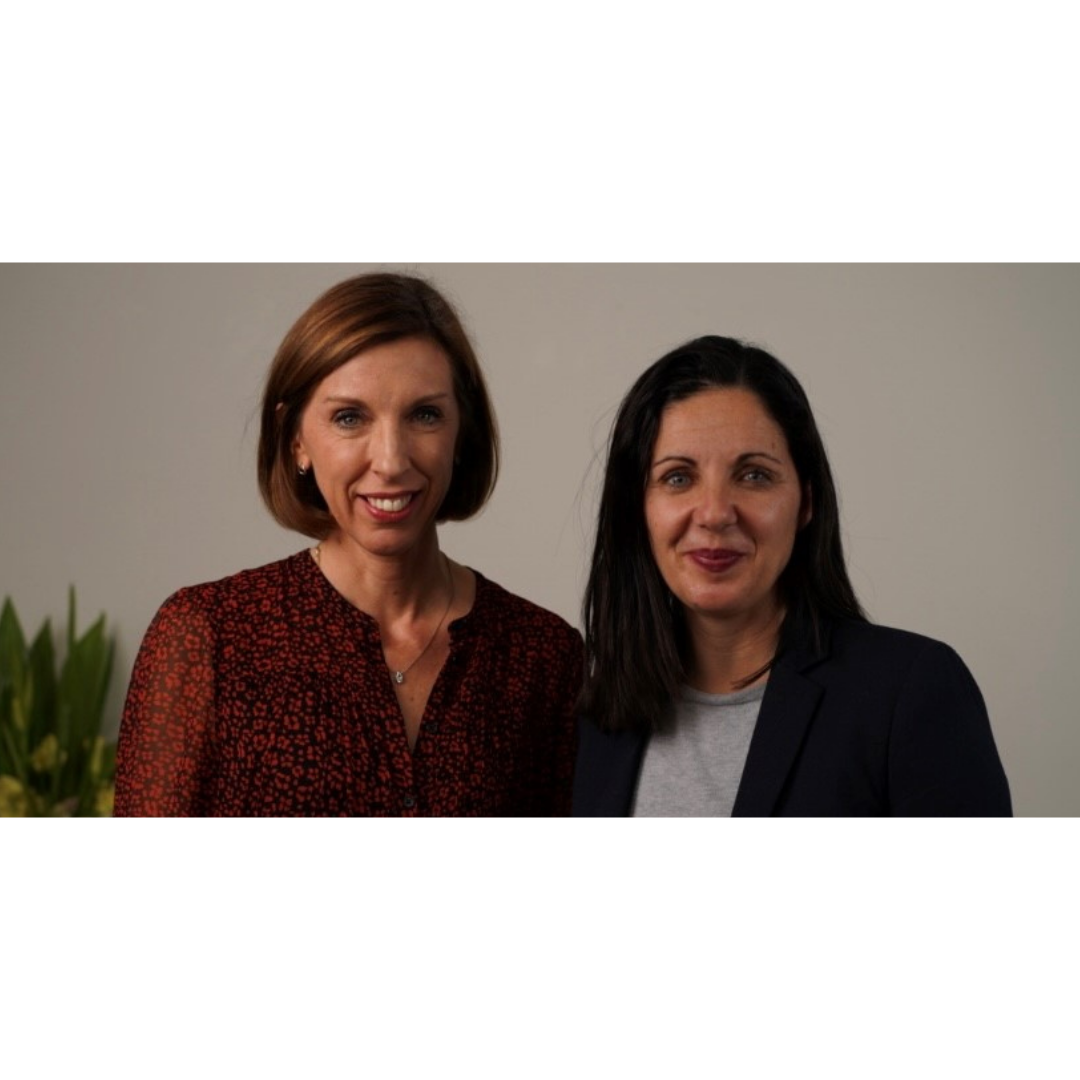
Gaele Lalahy had a successful career in consumer electronics as Board Member and Head of Brand Communications & Olympic marketing at Panasonic. Having been with the same company for two decades, Gaele became fearful of not having tried a different career, so she decided to take the leap and leave her job without a plan in place. When the opportunity came up to run Dr Louise Newson’s Balance menopause support app, it didn’t immediately grab Gaele’s interest because, as she admits, she knew nothing about the menopause or the scale of the problem facing women.
After doing her own research and realising hundreds of thousands of women were suffering and struggling to get treatment, Gaele came on board as the Chief Operating Officer for Balance at the start of 2021. Since then, the app has grown ten-fold and is really helping to change the narrative around perimenopause and menopause and empower women with the information they need to get help from their local GP practices. Gaele shares some of the remarkable statistics that show how the app helps women get a diagnosis and treatment more efficiently, and she discusses plans for the app’s future that will make even more of a difference to people’s lives.
Gaele’s 3 reasons to use the Balance app:
Find out more information about the Balance app on the balance-menopause.com website here.
You can follow the Balance app on their social platforms at:
Facebook @balanceMenopause
Instagram @balancemenopause
Twitter @balanceMeno
LinkedIn @balance-app
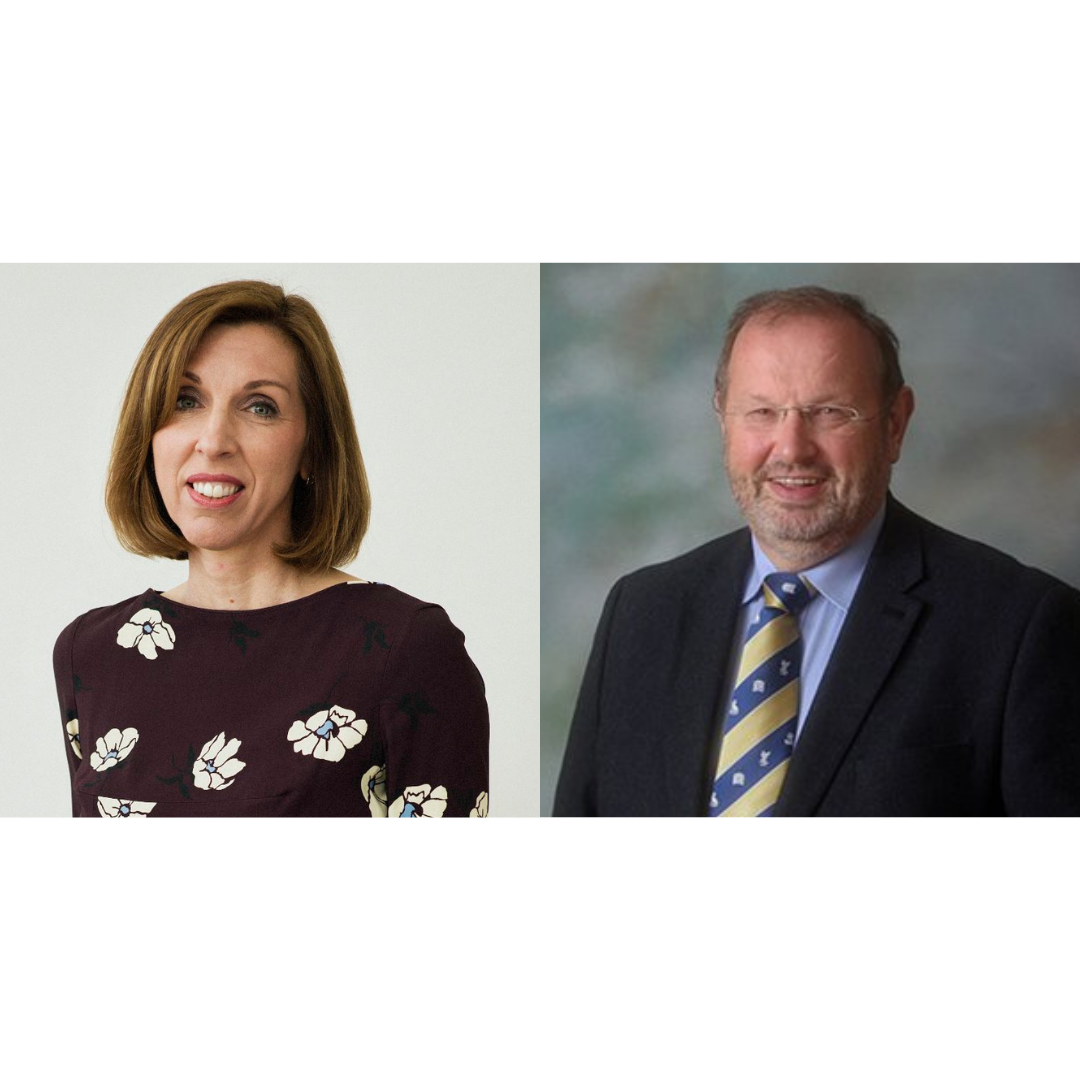
In this episode, Dr Louise Newson is joined by a long-time friend, retired consultant urologist, Steve Payne. Together they discuss Steve and his wife Jan’s experience of her breast cancer and subsequent treatment that led to oestrogen depletion. Steve describes the decision-making process they went through as a couple when Jan’s quality of life deteriorated due to severe urine and kidney infections, as well as other symptoms relating to a lack of oestrogen.
The experts talk about how some people’s experience in cancer care clinics can fall short of patients and their partners being given full and balanced information into how cancer treatments will affect your hormones and what this potentially means for your quality of life. Steve shares his honest reflections and insights about cancer care clinics and offers invaluable advice for those navigating these complex and confusing decisions at such a difficult time.
Steve’s advice for making decisions about cancer treatments:
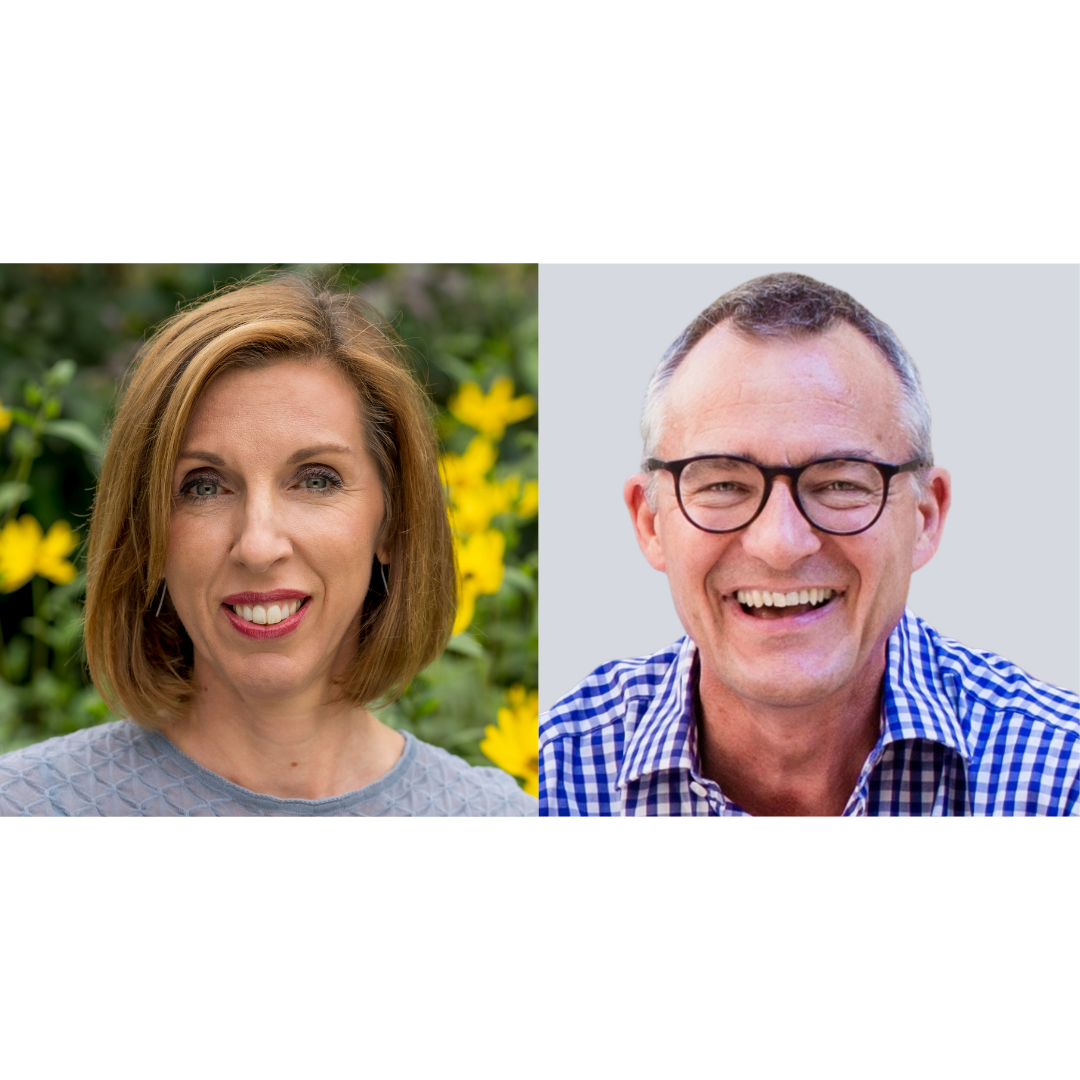
In this episode, Dr Louise Newson explains about an exciting new appointment for Newson Health and introduces Alistair Darby as the new CEO. Coming from a hospitality background, Alistair Darby explains what led him to apply for the role of CEO of a menopause healthcare company, and he shares how his awareness of menopause increased after he witnessed the devastating impact on his wife 5 years ago.
Alistair and Louise discuss the problem of the menopause in the workplace and the resulting gap of female talent at the top. They talk through their joint mission to normalise getting treatment for the perimenopause and menopause and speculate on what a difference this would make to relationships, the workplace, healthcare and society.
Through his role, Alistair hopes to:

Professor Isaac Manyonda is back by popular demand to discuss perhaps the most important issue for women considering and taking HRT: what is the risk of breast cancer if I take HRT? Professor Isaac Manyonda expertly takes the listeners through the different issues, one by one, including comparing the level of risks of breast cancer from HRT with lifestyle factors such as weight and alcohol intake. He outlines the risks according to different types of oestrogen and progesterone, and explains the difference between oestrogen receptor positive and negative breast cancers.
Prof Manyonda’s three take-home messages:
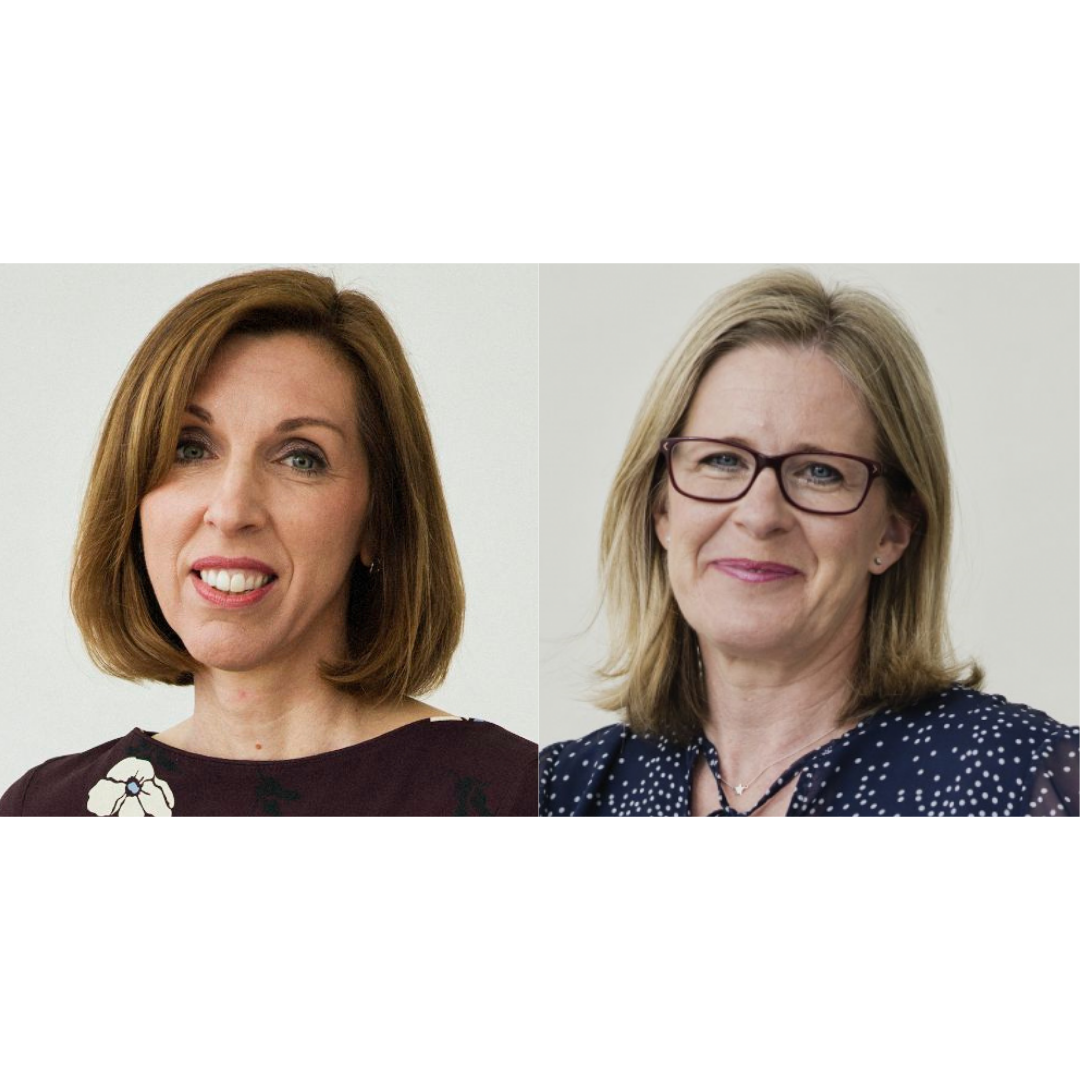
Menopause specialist, Dr Sarah Ball, makes a record fourth appearance on the Dr Louise Newson podcast this week, to talk about an important group of women that often feel marginalised when it comes to menopause care and treatment. One in seven women will experience breast cancer, and many more of us have a close relative who has had breast cancer. Thankfully, thousands more women are living longer after breast cancer, but this often means living with the menopause and symptoms of a lack of hormones.
The experts discuss the risk factors of developing breast cancer and the complexities of the association between hormones and breast cancer. Dr Sarah Ball has researched the experiences of menopausal women having breast cancer treatment and her findings reveal women are having to endure menopausal symptoms for an average of seven years before seeking, or being given, help and treatment, and sadly, only 10% of the women surveyed felt they were involved in decisions about their care.
Dr Ball and Dr Newson are both passionate about helping women after breast cancer and believe it is essential that these women are listened to, that healthcare professionals discuss in full the treatment options for their menopausal symptoms, and that women feel empowered to make a decision that’s right for them, at that time, being aware of all the relevant information.
Sarah’s 3 tips for women after breast cancer:
Follow Dr Sarah Ball on Instagram @drsarahmollyball and Twitter @sarahball14
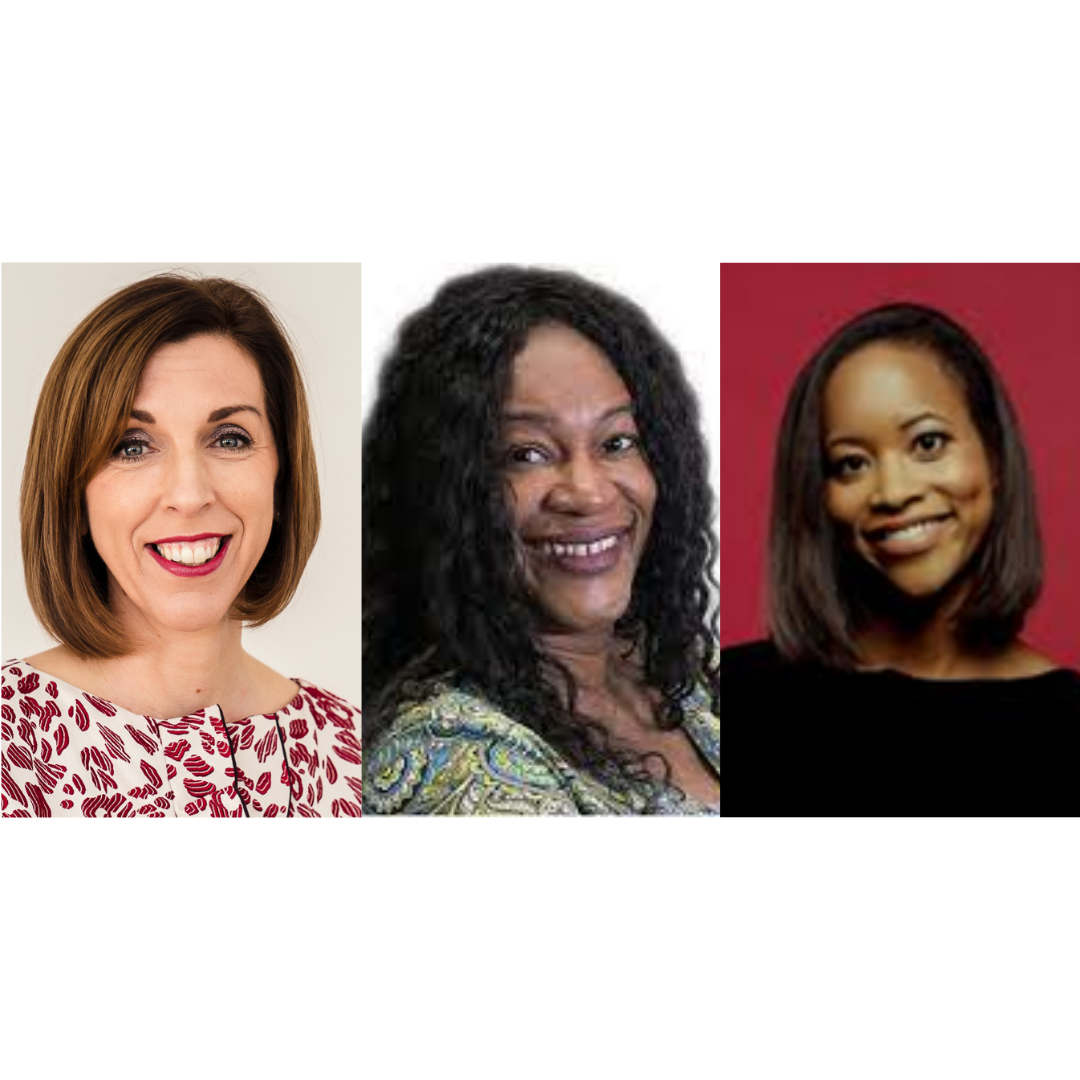
Dr Nneka Nwokolo and Dr Martina Toby are both consultant physicians in sexual health and HIV medicine, and together they have joined forces to help educate and advocate for women of colour experiencing perimenopause and menopause.
In this episode, the experts share what prompted them to set up the ‘Shades of Menopause’ Instagram group and the benefits of using social media to support women of colour. Together with Dr Louise Newson, they discuss some of the socioeconomic and cultural factors, as well as gender inequalities that affect a woman’s experience of healthcare, and the unfortunate lack of research around use of HRT in women of colour.
Nneka and Martina’s three tips to women of colour:
Follow the podcast guests on Instagram: Shades of Menopause.
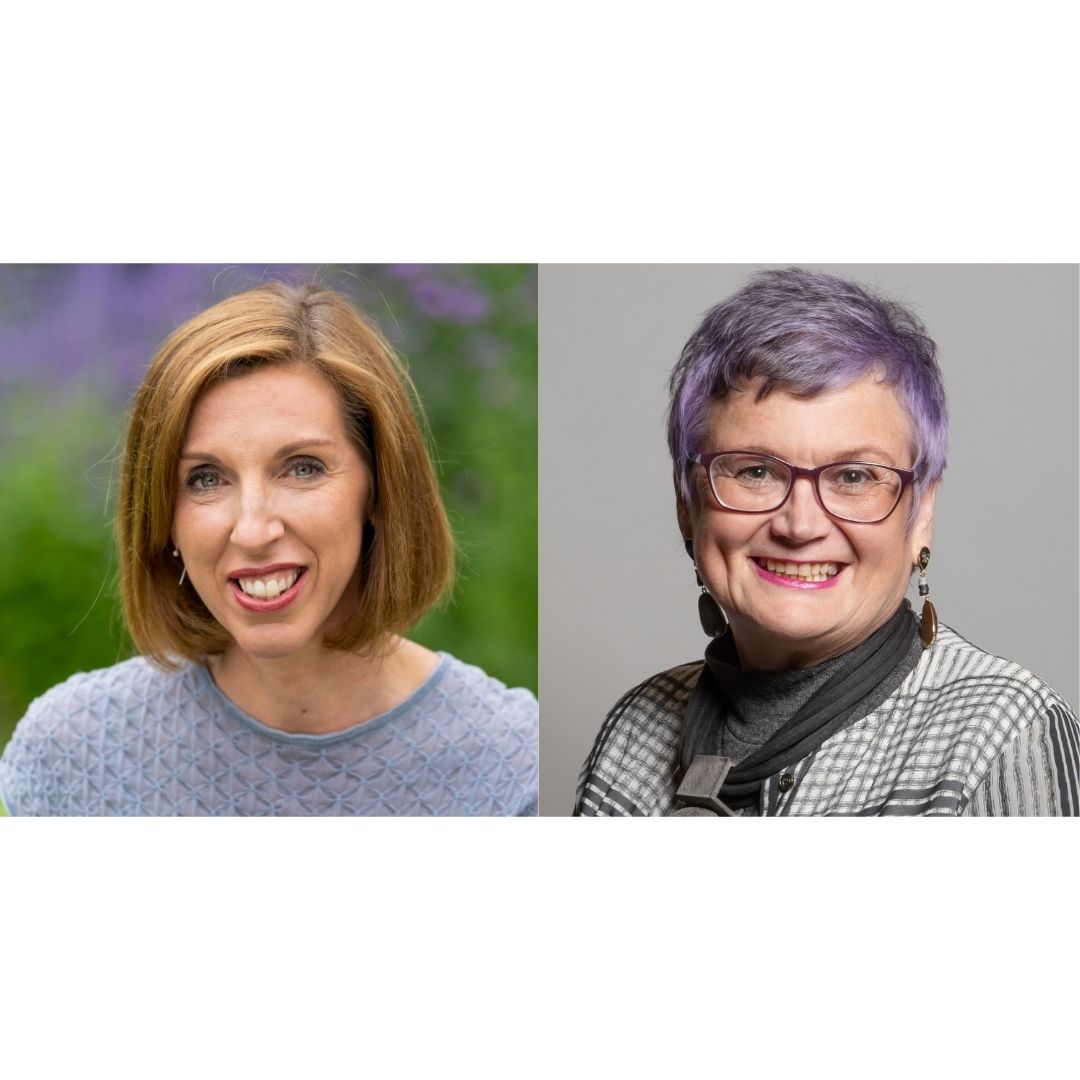
Carolyn Harris MP left school at 16, had two children at a young age and worked as a barmaid. Her young son, Martin, was tragically killed in a road accident in 1989 and this changed her life forever. She sank into a black hole for the next few years but turned things around when at 34 she became the first person in her family to go to university. Carolyn never dreamt that 20 years later she would be the MP for her community, Swansea East, and although she continues to experience imposter syndrome regularly, once she has decided to fight for change, she does not give up.
Carolyn has campaigned on topics such as child funerals and gambling. She did not realise her collection of health problems were related to the menopause at first, but when she joined the dots and learnt more about the effects of the menopause, especially in the workplace, she set up an All Party Parliamentary Group on menopause and was successful in changing the law in Wales in removing the prescription fee for HRT.
Carolyn’s advice to women:
Carolyn Harris MP details:
Website: www.carolynharris.org.uk
Twitter @carolynharris24 and @AppgMenopause
Email: carolyn.harris.mp@parliament.uk
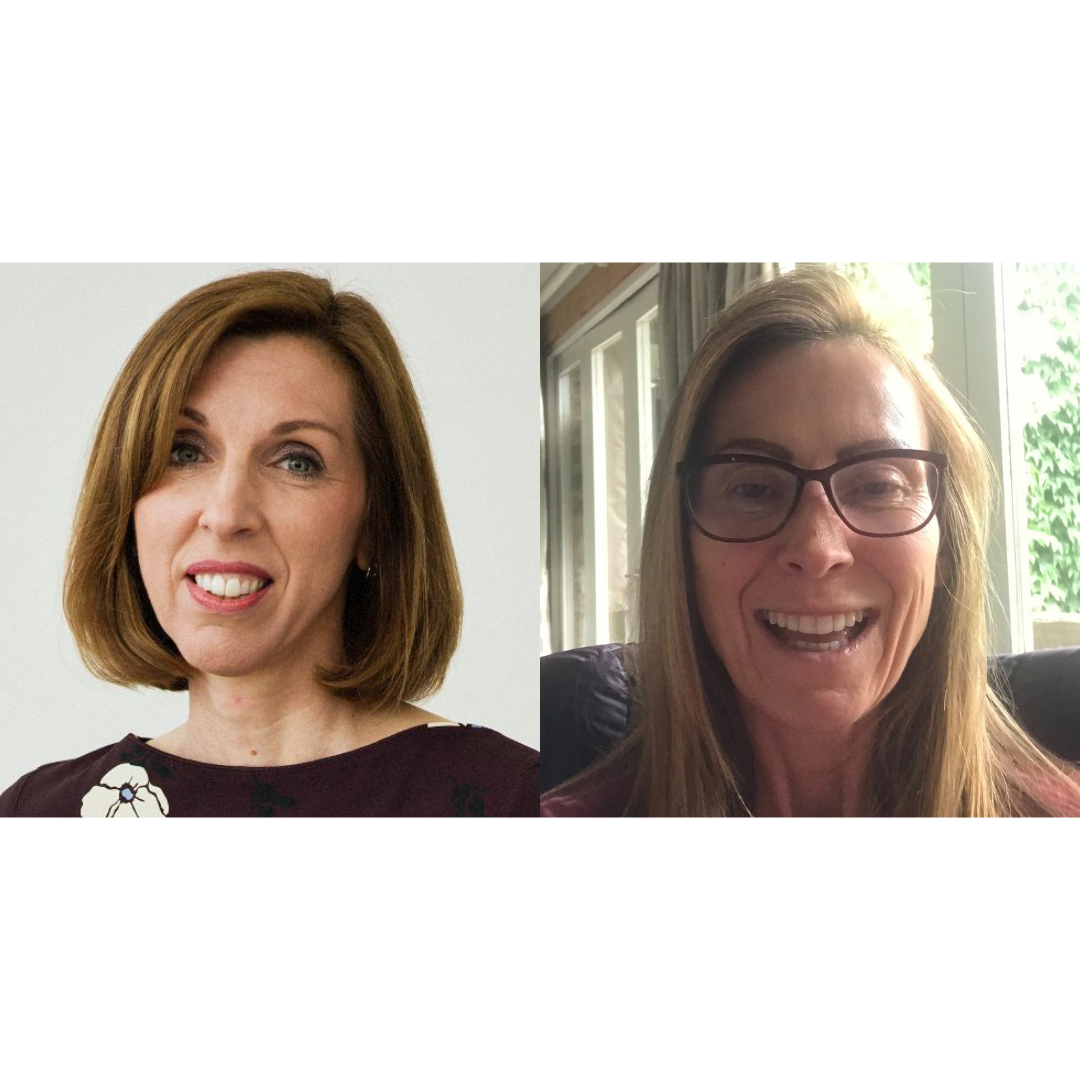
Maggie Honey was diagnosed with antiphospholipid syndrome, which can be described as having ‘sticky’ blood that is prone to clotting. When she was 46 and a busy mum of triplets, Maggie began having insomnia, recurrent UTIs and dry eyes, skin and mouth. It wasn’t until her periods had stopped for a year and she felt dreadful all the time that she realised many of her symptoms might be related to menopause. When she sought help, she was given more diagnoses related to her blood condition but no help for her symptoms. Her blood disorder consultant at the time told her, ‘whatever you do, don’t go on HRT’. This was due to the inaccurate belief that all HRT holds a risk of clot.
In this episode, Dr Louise Newson talks through all the issues that Maggie’s story illustrates, including explaining why HRT is usually safe for people at risk of clot, when oestrogen is given through the skin via a patch, gel or spray. They discuss how beneficial HRT can be for your quality of life, and what lifestyle factors do actually raise your risk of getting a clot.
Maggie’s three menopause tips for people at risk of clot:
Thrombosis UK is the charity mentioned in this episode for people at risk of, or living with, thrombosis (clots) and the website is www.thrombosisuk.org
.jpg)
In this special episode, released on World Menopause Day 2021, Dr Louise Newson talks to two women about their own experiences of menopause. Melanie is a midwife from Birmingham who talks about her ongoing challenges of coping with menopausal symptoms, getting the right support at work, and finding a treatment that works for her. Grace is in her 50s and went through an early menopause in her late 30s. She struggled over the years to be listened to by healthcare professionals and have her needs understood as a gay woman. After watching the documentary with Davina McCall, Grace felt empowered to push for the help she knew she needed.
Melanie and Grace’s conversation with Louise aptly illustrates what World Menopause Day is all about – raising awareness about the effects of menopause on women’s health and wellbeing globally, and elevating voices of those going through the menopause from all cultural backgrounds and sexual orientation. As Louise says, we cannot fully celebrate World Menopause Day until all women, all over the world are able to get the help and support they need.
Grace and Melanie’s top reasons for speaking out for WMD:
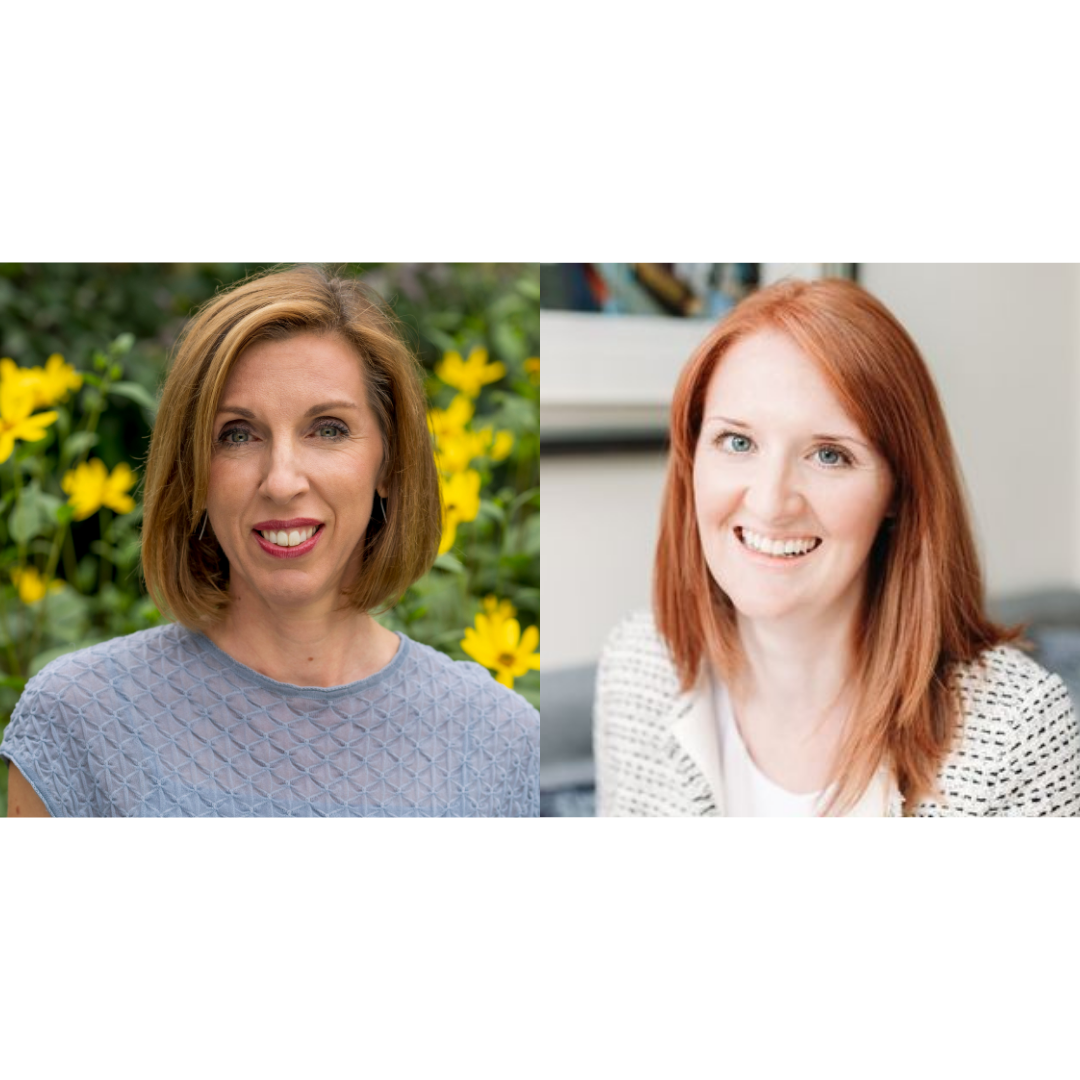
Healthy Eating Doctor, Dr Harriet Holme, joins Dr Louise Newson on the podcast couch this week to discuss the importance of nutrition for reducing long term risk of disease and improving your future health.
Before becoming a registered nutritionist, Harriet worked for ten years as a doctor before her interest grew in the link between what we eat and our health. She is passionate about sharing evidence-based knowledge to help people understand more about their own diets and health, and offers nutritional consultancy as well as lecturing on culinary science and nutrition.
Harriet’s four key ingredients for eating in the peri/menopause:
Listen to Harriet on her own podcast, Eating for Health or visit her website: healthyeatingdr.com
Find Harriet on social media at:
Facebook @healthyeatingdrcom
Twitter @healthyeatingdr
Instagram @healtheatingdr
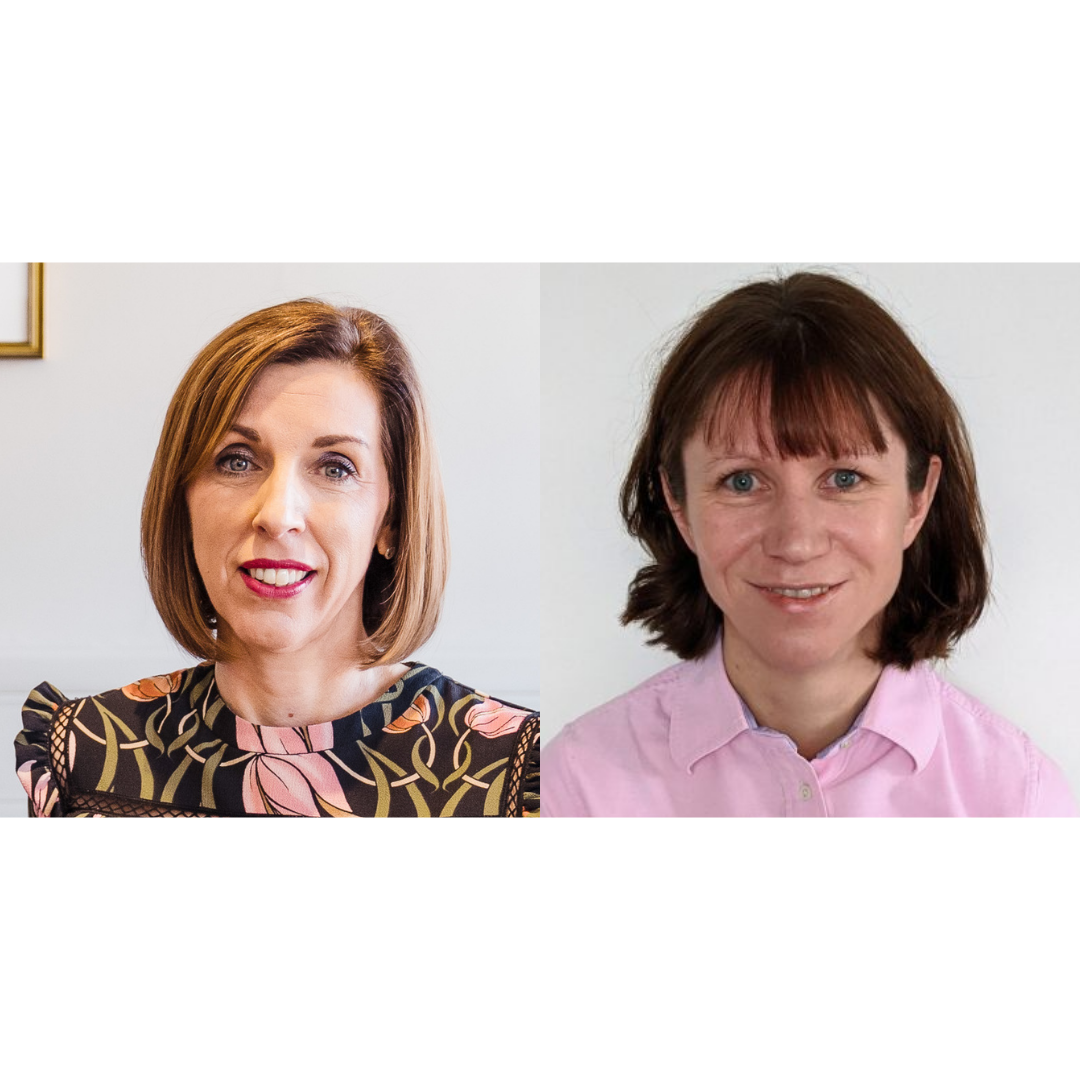
Dr Zoe Hodson returns to the podcast this week to talk to Dr Louise Newson about the hormone testosterone. Zoe is a GP and senior doctor at Newson Health, and together they discuss the impact of low testosterone on your daily life, why it can be difficult to get hold of, and gender inequalities in healthcare provision when it comes to this particular hormone.
Zoe is on a personal mission to ask every local health commissioning group if their clinicians can prescribe testosterone and, if not, why not? Change is happening slowly within primary care and Zoe and Louise are committed to continue to push for testosterone to be regarded as an integral part of menopause care at a free, local level for all.
Zoe’s three asks for change:
Zoe would like to thank all her followers on social media for their wonderful support and encouragement to keep speaking up for women and trying to bring about change for good. You can follow Zoe on Instagram @manchestermenopausehive
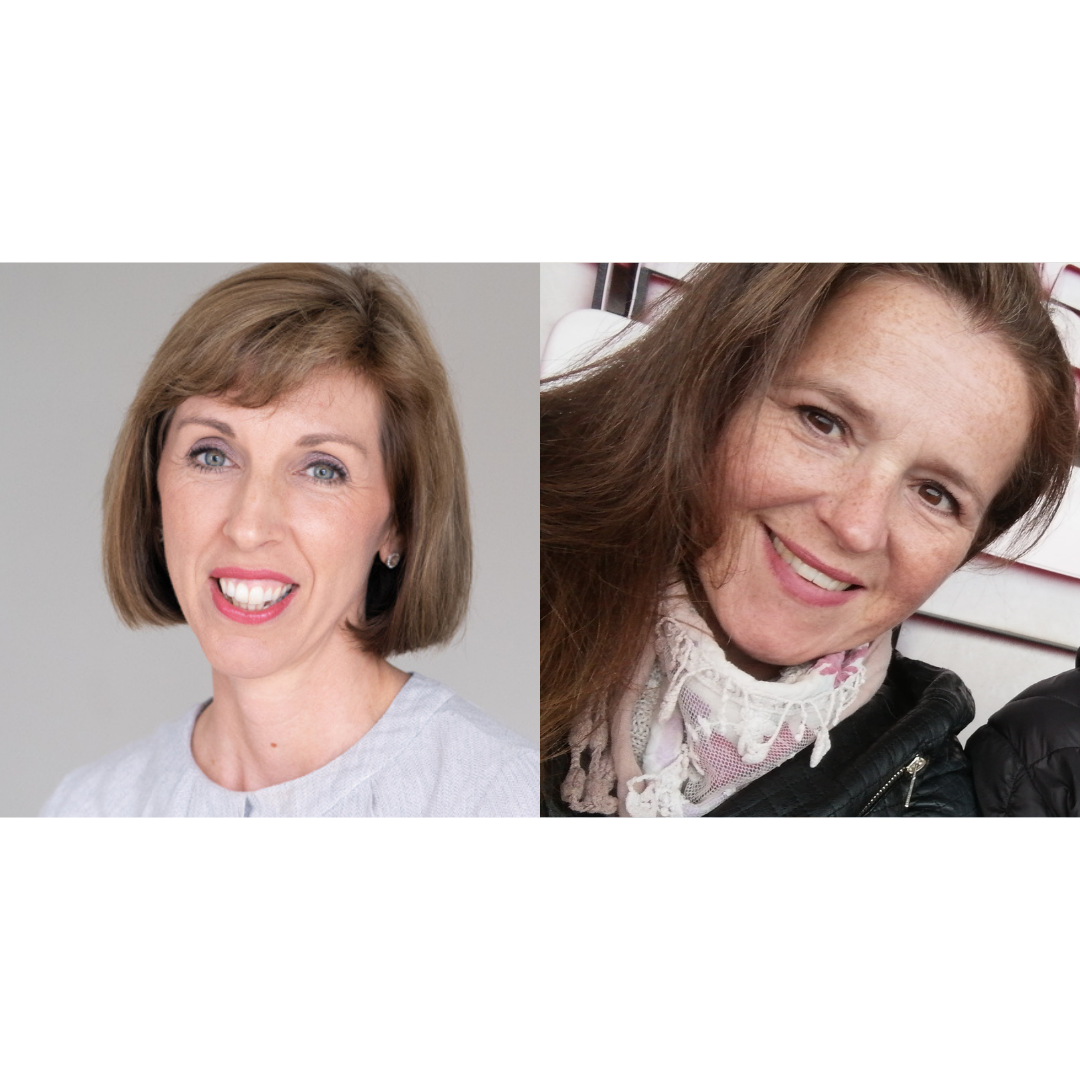
Rachel was a very active 45-year-old, who loved the outdoors and her job as a specialist teacher when her fit and healthy body began suffering with one problem after another. Joint problems and crushing fatigue curtailed her hobbies of hiking, climbing and cycling. The following months saw her list of unexplained symptoms grow and grow from being in constant pain, migraines, and gum problems, to palpitations, dry mouth and eyes, anxiety and electric shock sensations. Within two years, she describes herself as ‘just a shell who couldn’t leave the house’, she had given up her job, and living with this version of Rachel had a huge impact on her husband and son. After multiple trips to the GP and blood tests, she was given a diagnosis of chronic fatigue syndrome.
In this episode, Rachel tells her story to Dr Louise Newson and takes listeners through her journey, including self-diagnosis and battles to get the help she knew she needed. After beginning on oestrogen replacement and seeing some mild improvements but still experiencing severe fatigue, she learnt about testosterone and its importance for energy and stamina. Now, six months after starting on testosterone, Rachel describes the improvement as ‘life-changing’. She feels a fully functioning human again, is able to work part time, and even manage a five-mile walk.
Dr Newson explains what testosterone does, why we need it, and why it can be so hard to get hold of the hormone at your local GP practice. Louise reassures listeners that she is working hard with NHS England on this very matter and is hopeful that change will come.
Both Louise and Rachel agree that testosterone should not be described as the ‘icing’ on the HRT cake but a crucial ingredient of the cake itself.
Rachel’s top three tips:
Note: Rachel had to see a menopause specialist to get her initial prescriptions for testosterone. After lots of persevering on her part, it has now been agreed to be prescribed via her usual NHS GP.

Dr Katy Munro was a GP partner in a Hertfordshire practice for many years and developed migraine in her 40s, around the time of her own perimenopause. This led to an interest in migraine and her involvement with the National Migraine Centre, first as a patient and then as a doctor.
Katy now works as a GP Headache Specialist at the National Migraine Centre, a charity that raises awareness on migraine, shares information and advises how to manage it. In this podcast episode, she chats to Louise about what migraine is, dispels myths, and explains why migraine is not just simply a ‘bad headache’. The experts discuss the role of oestrogen in migraine, other possible triggers, and ways to help minimise the onset, severity and frequency of migraine. This hugely useful conversation is a must-listen if you or a loved one experiences migraine.
Katy has recently written a book on migraine, Managing Your Migraine, and it is available to buy now.
Katy’s three reasons to buy her book:
Managing Your Migraine by Dr Katy Munro, is published by Penguin Life Experts.

Dr Louise Newson’s new book, Preparing for the Perimenopause and Menopause, is now released by Penguin Life as part of the Penguin Life Experts series. Health journalist, Kat Keogh, worked with Dr Newson to write the book, and in this podcast episode they discuss the importance of creating factual and engaging information about the menopause, not just for women but their partners, children, friends and colleagues.
Kat Keogh has worked as a health journalist for 15 years and currently writes for a nursing journal. She collaborated with Dr Newson on her first book in 2019, the Haynes Manual on the menopause, and Kat is passionate about writing to not only educate but empower women in their perimenopause and menopause journey. Now that she has all this knowledge from working with Dr Newson, she is better prepared for menopause than her grandmother was, whose only means of coping was to go and shout down a well at the bottom of her garden!
Kat’s three reasons to buy Dr Louise Newson’s new book:
Preparing for the Perimenopause and Menopause, published by Penguin Life, is out now and has reached Amazon’s Number 1 Best Seller on its launch day, 26th August.

Journalist, podcaster, and author Lorraine Candy, who is former Editor in Chief of Cosmopolitan, Elle, Sunday Times Style, and Former Parenting columnist for the Sunday Times Magazine. She co-hosts the chart-topping weekly podcast, ‘Postcards from Midlife’, with fellow journalist Trish Halpin. During lockdown Lorraine, 53, wrote the highly successful book, ‘Mum, What’s Wrong With You? 101 Things Only Mothers of Teenage Girls Know’, a family memoir of hilarious personal anecdotes and guidance from experts on adolescent mental health and parenting as a perimenopausal woman.
From teenage hormones to menopausal hormones, in this podcast episode Lorraine and Louise discuss the importance of educating women about the perimenopause and menopause, and revisit their experiences of battling the media to help bring the taboo topic to normality. Further in, Lorraine and Louise have an honest conversation about raising teenage girls in particular, and offer advice on how to keep your cool while keeping the channels of communication open.
Lorraine’s book is heartily recommended by Louise, a mum of teenage girls herself, and it is available to buy now, published by 4th Estate.
You can find Lorraine Candy on social at:
Instagram – @lorrainecandy
Twitter – @lorrainecandy
Facebook – @sundaytimesLorraine
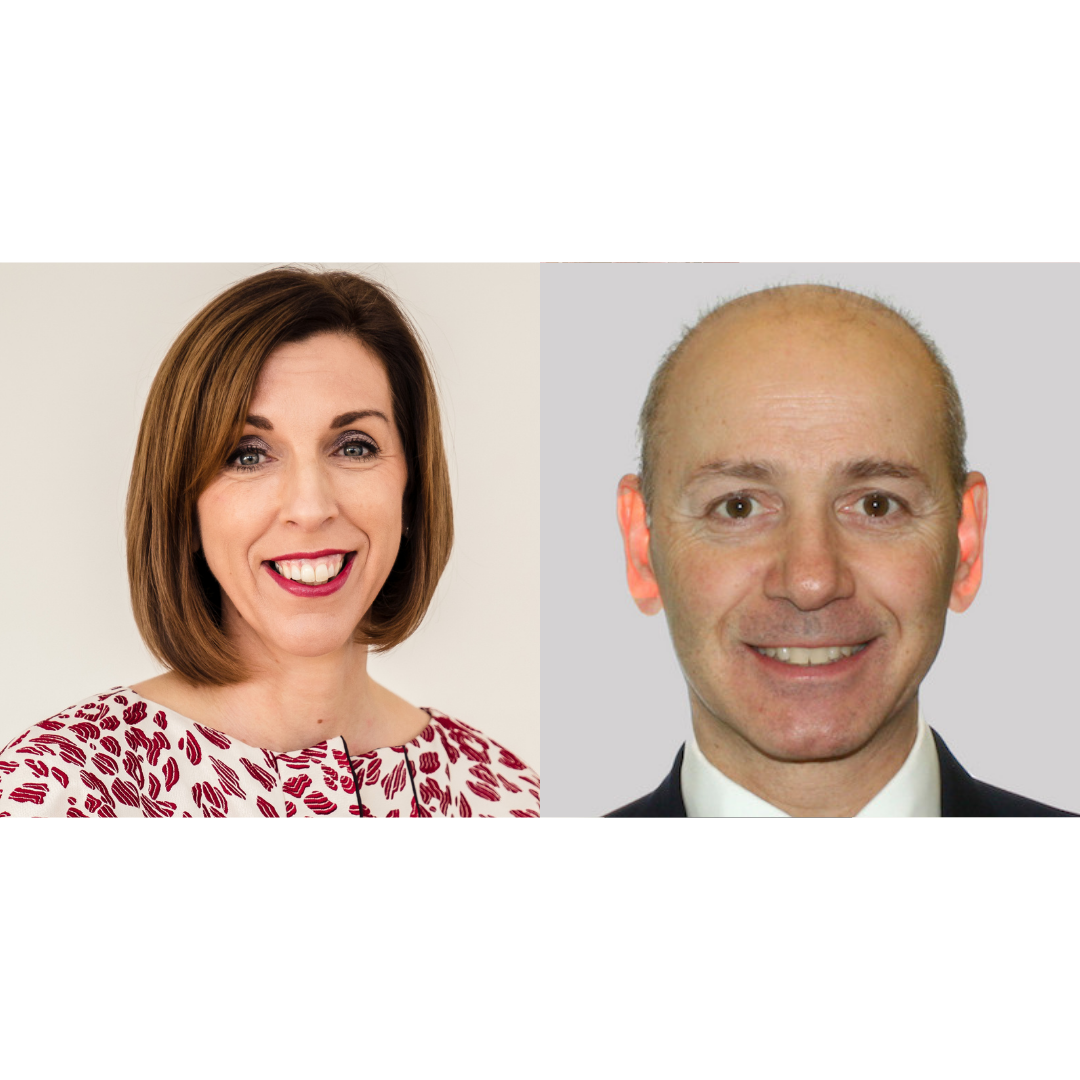
World renowned Consultant Gynaecologist, Nick Panay, of Hormone Health, shares his past and current interests in hormone related issues such as menopause, premenstrual syndrome, progesterone intolerance and Premature Ovarian Insufficiency.
He describes ongoing areas within women’s hormone health where there continues to be huge unmet need and how, through training, he is seeking to overcome this, not just in the UK but globally through his work with the International Menopause Society.
Together, the experts discuss the importance of their roles in empowering women and supporting them to make their own choice about treatments and both agree that as a public health issue, the menopause requires a national approach that focusses on preventative rather than reactive medicine.
Nick’s three aims for global menopause care:
Find Nick on social media at:
Twitter – @HormoneHealth92
Facebook – @HormoneHealthClinics
Instagram – @hormonehealthuk
LinkedIn – Nick Panay

In this episode, Dr Louise Newson talks to Arabella Preston, co-founder of Votary skin company, about her background as a make-up artist and what prompted her to start creating cleansing and facial oils from her kitchen table.
Together they discuss how to best care for your skin and how to know what products to buy among the crowded skincare marketplace. Arabella discusses the almost taboo topic of female facial hair and how to deal with it. She also talks openly about recognising her own early signs of perimenopause and what she has learnt about the impact of hormone changes on the skin.
Arabella’s three top tips for looking after your skin:
Find out more about Arabella’s cleansing and facial oils or her magic razors at the Votary website www.votary.co.uk
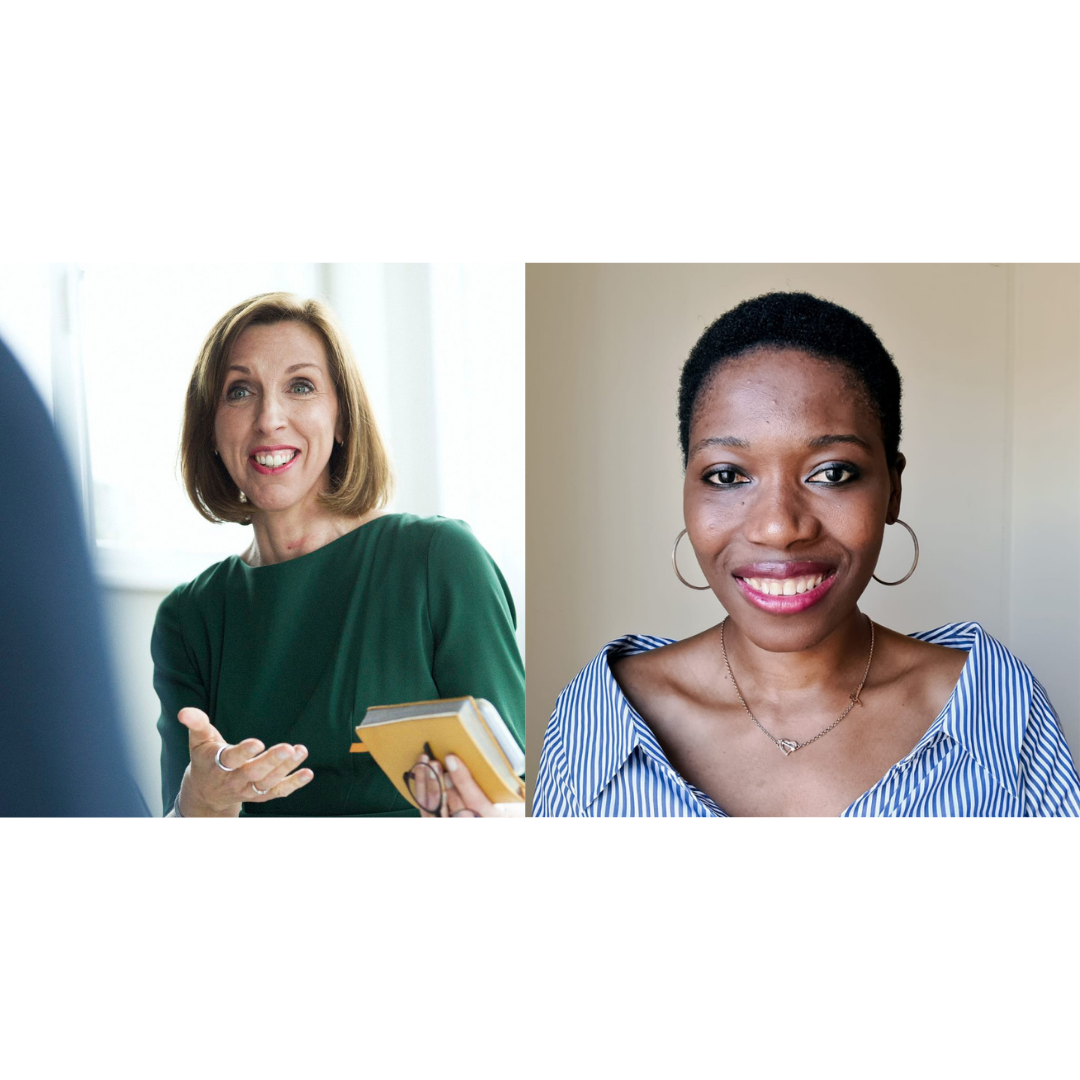
In this inspiring episode, Dr Louise Newson talks to Anita Elawure, a women’s health advocate, who shares her startingly honest experience of premature ovarian insufficiency (POI) since she was a teenager. After many years of trying to ignore her situation, she began to look into what it really meant, for her fertility and the impact of living in a postmenopausal state for the rest of her life.
Anita decided to create a platform for her to share her experiences, in the hope that she and others wouldn’t feel so alone, and provide a safe place that offered support and learning from others going through POI. Eighteen months ago, Anita founded Blossom Living with POI and, as her page says, 'You have me. I have you. Together we blossom.'
Anita’s top three tips:
Follow Anita and Blossom Living with POI on Facebook, Instagram or YouTube

Gordan Lauc is a Professor of Biochemistry and Molecular Biology, and the Chief Scientific Officer at GlycanAge. In this episode Dr Louise Newson feeds her inner geek and enjoys a fascinating conversation with Gordan as he describes his groundbreaking research into glycan molecules and their role in aging and disease processes. Even though scientist’s understanding of the biological importance of glycans is still developing, ‘glycoscience’ has now become a vital field in life and medical sciences.
Aging is the accumulation of damage in your body over time, caused by a long-term over-activation of the immune system. Analysing your body’s glycan molecules is a way of discovering your biological age and helps you know whether your current lifestyle is optimal for good health as you age. It is possible to lower your biological age by changing your diet, exercise, sleep habits and stress levels.
Professor Lauc’s top three tips:
You can find Gordan Lauc on social media at:
Twitter: @gordanlauc
LinkedIn: gordanlauc
You can also find GlycanAge on social media at:
Instagram: glycanage
Helen is a functional imagery training (FIT) practitioner and weight loss coach who discovered FIT a couple of years ago and has been helping women to achieve lifestyle changes using this effective technique. FIT is a technique that supports behaviour change using mental imagery.
Coming from two decades of research showing that mental imagery is more strongly emotionally charged than other types of thought, FIT gives people a powerful tool to strengthen and sustain motivation to reach goals they value: weight loss, increased physical activity, or better sleep for example, which in turn leads to confidence and increased self-esteem. Women often experience weight gain, lethargy, or low mood around the perimenopause and the menopause which can lead to a negative cycle of poor choices, comfort eating and misery!
Living through the pandemic and associated lockdowns with all the extra stresses it has brought has also made healthy living harder for some. FIT uses mental imagery blended with motivational interviewing (a type of empathetic counselling/coaching) to help clients identify the health and fitness challenges they face now and how they would like to feel in the future. FIT is about mindset change, not a diet technique. It teaches people to imagine in a detailed way what it feels like and looks like to achieve their ideal selves and how that will benefit their health, and also benefit the people closest to them. FIT enables people to imagine in detail the steps they have chosen to reach their ideal selves.
Helen’s three take-home tips:
Dr Louise Newson is an award-winning physician, respected women's hormone specialist, educator, and author committed to increasing awareness and knowledge of perimenopause, menopause, and lifelong hormone health. Each week, Louise dives into the newest research, treatments and hot topic issues, providing accessible, evidence-based information to empower your future health. Joined by fellow experts and special guests, with answers to your burning questions, Louise explores how hormones impact every aspect of our lives.
Described as the "medic who kickstarted the menopause revolution", Louise aims to empower a generation of women to have a greater understanding, choice and control over their treatment, bodies, minds and future health through their hormones. She is the creator of the award-winning free balance app, a Sunday Times bestselling author and the founder of the Newson Health clinic. With over three decades of clinical experience, Louise is a member of the Royal College of Physicians, a Fellow of the Royal College of GPs, a Visiting Fellow at Cambridge, a regular contributor to academic journals including the Lancet and the British Journal of General Practice, and has been awarded an honorary Doctorate of Health from Bradford University.