

Content advisory: this article includes themes of mental health and suicide
Thousands of women have shared their experiences following ITV’s Dismissed: The Menopause Scandal, featuring groundbreaking research by our founder Dr Louise Newson and Newson Research’s lead, Dr Olivia Hendriks. Now, prime minister Andy Burnham has responded.
Women’s experiences of struggling with menopausal symptoms and fighting to access hormone treatments have reached the highest levels of government following a powerful ITV investigation.
Dismissed: The Menopause Scandal, created by ITV Granada Reports correspondent Mel Barham, brought women’s stories into the national spotlight, alongside research by Newson Research about menopause and mental health. The response has been extraordinary, with thousands of women getting in touch to share their own experiences of suffering and difficulty getting help.
Unprecedented response
Reflecting on the reaction, Mel said: 'Never have I seen a response to a story like we have with this.'
ITV has since broadcast follow-up coverage dedicated to the response. For women who have spent years feeling unheard, seeing these experiences recognised publicly can be profoundly important. Together, their stories make a powerful case for change.
The investigation has also prompted a response from prime minister Andy Burnham. Asked by ITV about its findings on menopause education, he described one hour of training as 'nowhere near acceptable' and called for a rethink of training programmes.
He added that 'we all need to think more about [how menopause impacts women’s lives] and take it more seriously,' expressing a personal commitment to doing so.
That acknowledgement matters. Menopause care is receiving attention at the highest political level, and the experiences women have shared are helping to drive that conversation. The next step is translating this attention into meaningful improvements in care.
ITV’s investigation found that some medical schools in England and Wales reported as little as one hour of dedicated menopause teaching across a five-year degree. Around one in five responding institutions reported fewer than 90 minutes of structured teaching.
The Medical Schools Council pointed out that students also learn about menopause through clinical placements, so timetabled hours do not capture all their learning. Nevertheless, the findings raise an urgent question: how can every future doctor be equipped to recognise menopausal symptoms and offer appropriate support?
Learning shouldn't stop
Dr Louise Newson, hormone specialist and Balance app founder, also appeared in the documentary, speaking about the responsibility of doctors and medical schools to ensure their knowledge meets women’s needs.
She said: 'Our learning shouldn’t stop the day we graduate.
'I’m really shocked that medical schools have this willful blindness, that they don’t see how important hormones are,” she told ITV.
Dr Louise described the consequences she hears about from women every day: 'Day in, day out, I hear from women who have symptoms of brain fog, memory problems, anxiety, low mood, joint pains, palpitations, and they’re told, "No, it can’t be your hormones", because these doctors have not had any training to join the dots and work it out, and that is really harming women.'
Her comments bring the training figures into sharp focus. Behind every discussion about teaching hours are women seeking explanations for symptoms that affect their daily lives. Better education matters both for future doctors and for those already practicing, so women receive a thorough assessment and appropriate support when they ask for help.
For the Balance community, this question has a very human meaning. It concerns what happens when someone finally finds the courage to seek help, and whether they leave that appointment feeling understood, with a clear plan for support.
Groundbreaking work
Research by Newson Research’s own Dr Olivia Hendriks helped underpin the documentary’s exploration of menopause and mental health. Conducted during her PhD at Liverpool John Moores University (LJMU), the groundbreaking work examined the relationship between menopause and suicidal thoughts, bringing attention to experiences that have too often remained hidden.
In the clinical study of nearly 1,000 women, around one in six reported suicidal thoughts at their initial consultation. Among those reporting these thoughts initially, the average score on the questionnaire item measuring them fell by 92% at follow-up, two to six months later.
Speaking in the ITV documentary, Dr Louise described what this work means to her as a clinician: 'I know that I’ve saved a lot of lives by prescribing the right dose and type of hormone treatment to women with suicidal thoughts. Hand on heart, it’s the most transformational work I’ve ever done as a doctor. Every single specialty should know about hormone treatments.'
Dr Hendriks appeared in the documentary to discuss the research and the women whose experiences informed it. By bringing academic evidence together with personal testimony, the investigation helped a wider audience understand why recognition and timely support matter.
She spoke about the dismissal women described when asking for help: 'There’s a lot of medical misogyny really going on with women experiencing menopause.
'They’re not being listened to, they’re being invalidated and being told that they’re wrong, even when they’re requesting treatments such as hormone therapy, they’re being denied it and being told, ‘We don’t know how to prescribe it,’ and being prescribed an antidepressant instead.'
The research also points to the importance of recognising psychological distress within menopause services. Its observational findings contribute valuable evidence, while further research is needed to establish how different treatments affect mental health outcomes.
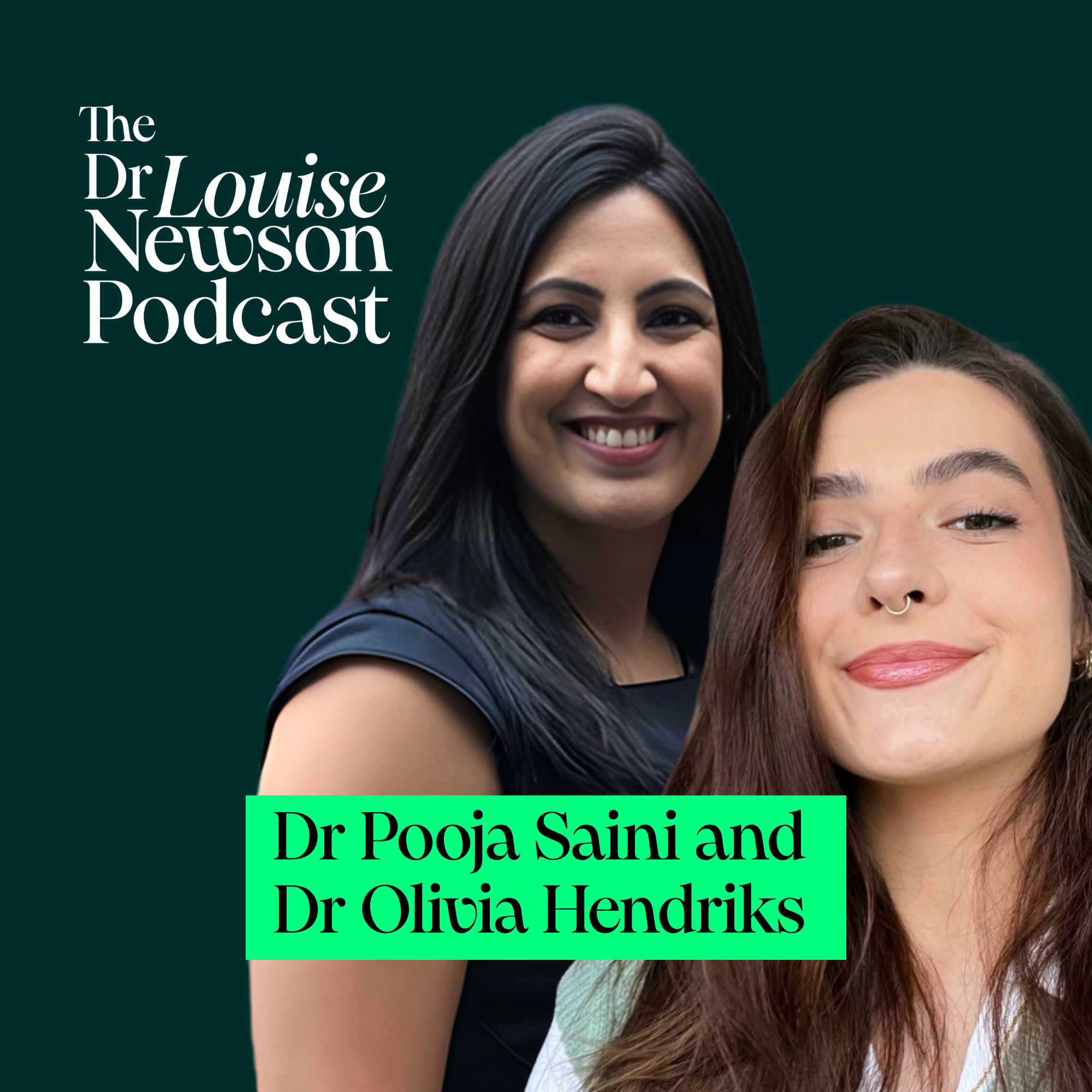
Professor Pooja Saini, Dr Hendriks’ lead PhD supervisor and professor of suicide and self-harm prevention at LJMU, highlighted the challenges of bringing this work to publication. Speaking to ITV, she said: 'I’ve worked in the field for 20 years. These were some of the toughest papers to get published.'
Better education, better recognition
Her comments underline why sustained attention to women’s mental health – and investment in research – are so important.
The response to Dismissed creates an opportunity to press for better education, earlier recognition of distress and care that considers women’s physical and mental health together. Political acknowledgement is welcome; women now need to see what follows.
Every woman who has shared her experience has contributed to this moment. Their stories deserve more than a brief place in the headlines. They deserve to shape how women are listened to, supported and treated.
Watch Dismissed: The Menopause Scandal on ITV here
In the UK, you can contact Samaritans 24/7 at 116 123 or visit samaritans.org. If you're outside the UK, please reach out to a local crisis support service or emergency medical help.
Credit: documentary and reporting: ITV News/ITV Granada Reports, correspondent Mel Barham. Article image and Prime Minister interview footage: ITV News.