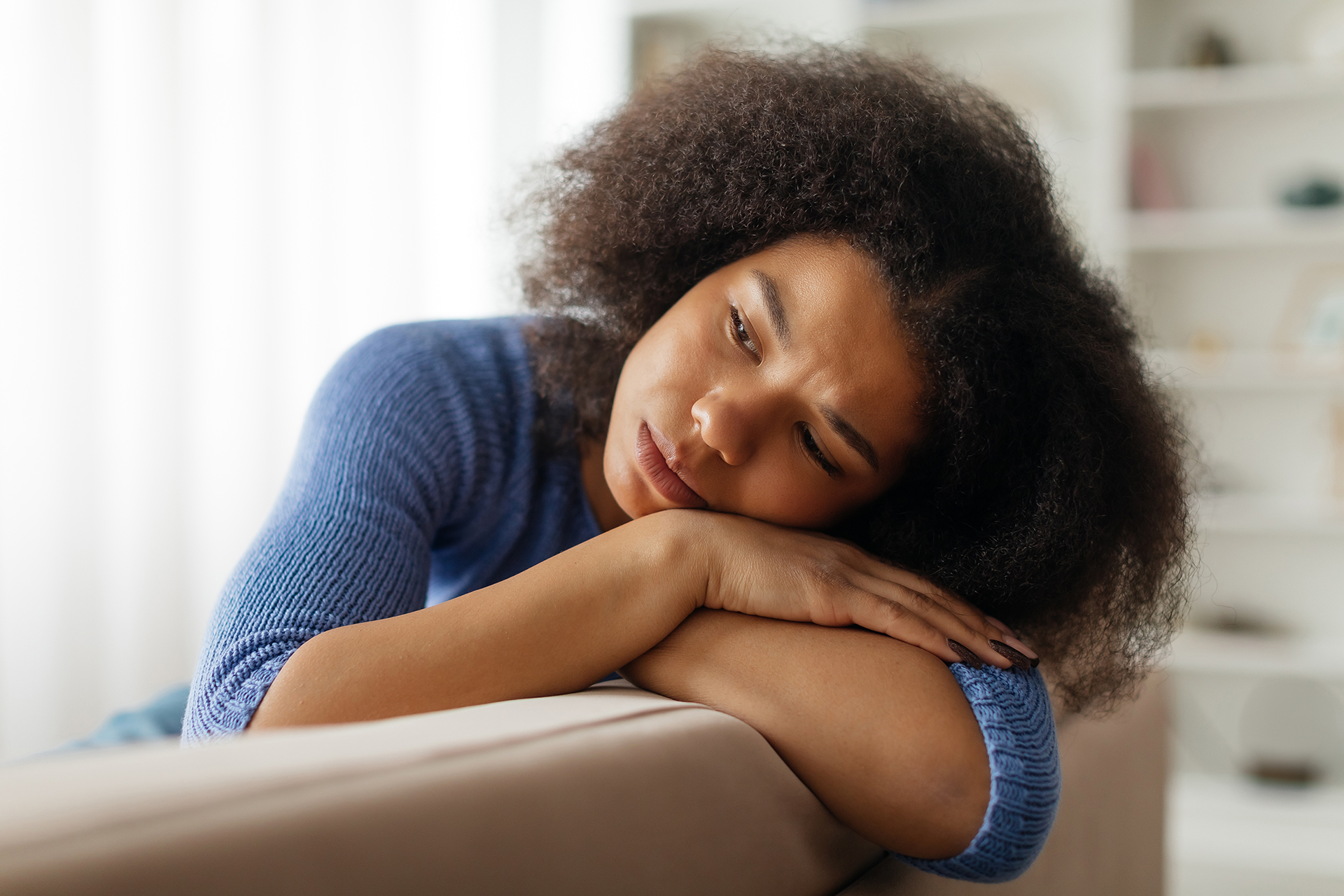
Do any of these symptoms sound familiar: tiredness, low energy, dizziness, breathlessness, headaches, hair loss, heart palpitations, cold hands and feet, brittle nails, restless legs, poor concentration…?
These symptoms are common among women and can have many causes, including low hormone levels. They can also be signs of low ferritin and iron deficiency.
Iron deficiency is the most common nutritional deficiency worldwide, and it’s the most common cause of anaemia. But here’s the thing, you can be iron deficient before you become anaemic. You may also be told your iron levels are “normal”, yet your ferritin – your stored iron – is low enough that you experience symptoms
Let’s take a closer look at what’s going on.
What is iron?
Iron is a mineral found in every cell in your body. It is an essential part of haemoglobin, the protein in red blood cells that carries oxygen around your body. If you don't have enough iron, your body can't make enough healthy haemoglobin to carry the oxygen to your body’s cells. This can lead to tiredness and fatigue. Low iron can also affect your appetite, sleep, immunity, skin, nails and hair, and stamina.
What is ferritin?
Ferritin is a protein that stores iron in your body’s cells and releases it when it’s needed. A blood test for iron levels often includes ferritin, which helps show how much iron you have in reserve – in other words, how much is available for your body to use. Many women are told their ferritin levels are “normal”, but this can feel very different to “optimal”.
For instance, in the UK, NICE guidance on anaemia states that a serum ferritin level of less than 30 micrograms/L confirms a diagnosis of iron deficiency [1]. However, ferritin levels can be difficult to interpret if you have an infection or inflammation, because ferritin levels can appear higher even when iron stores are low.
Many experts believe that ferritin levels should be at least above 75 µg/L for good health (50 ng/mL in the US), and patients with restless leg syndrome are considered iron deficient when their ferritin concentration is below 75 µg/L [2].
To add to the confusion, different laboratories use different reference ranges for ferritin. This means you could have a ferritin level of 20micrograms/L, for example, which under NICE guidance would confirm a diagnosis of iron deficiency yet may fall within the laboratory’s “normal” reference range. Many women are told their ferritin levels are “normal” when they actually fall below clinical guidelines – if you have symptoms of iron deficiency and are told your ferritin levels are “normal”, ask for the actual number so you can get a clearer picture.
What is iron deficiency anaemia?
Having low ferritin doesn’t necessarily mean you are anaemic – it indicates your iron reserves are low, which can cause symptoms. This is known as iron deficiency.
Iron deficiency anaemia is when the iron deficiency is severe enough that you don’t have enough healthy red blood cells to carry oxygen around your body.
Remember, numbers on a blood test are a guide – if you are experiencing symptoms, this deserves attention.
How much iron do I need?
How much iron you need each day depends on your age, sex, menstrual status and overall health.
If you have periods, your recommended daily intake is more than double that of men because you lose iron in menstrual blood each month. The NHS recommends [3]:
• 14.8mg a day for women aged 19 to 50, and for anyone older who is still having periods
• 8.7mg a day for women over 50 years who are no longer having periods and for men
Do hormones impact iron?
Your hormones - progesterone, estradiol and testosterone – and iron are closely interlinked. Your body needs iron to produce these hormones, while progesterone, estradiol and testosterone each influence how your body absorbs and uses iron. Your body also needs iron to support healthy thyroid hormone production and regulation (read our article, Thyroid health and menopause for more information).
When estradiol (a form of estrogen) levels are low, your body may absorb iron less efficiently, making it harder to maintain good iron stores.
Testosterone can also increase iron absorption, and low testosterone levels have been linked to an increased risk of developing anaemia [4].
Hormonal fluctuations across your menstrual cycle can also affect iron absorption [5, 6].
During the follicular phase – the first half of your menstrual cycle – estradiol rises. Estradiol suppresses the production of hepcidin, a hormone that helps control how much iron is absorbed from food and how much is released from storage. This helps your body absorb more iron to compensate for blood loss during a period.
Then during your luteal phase – the second half of your cycle – progesterone rises. It stimulates hepcidin, causing it to spike and then plateau so that iron absorption becomes less efficient.
This helps explains why, even if you eat an iron-rich diet, your body’s ability to absorb and use iron can fluctuate throughout the month.
Birth control pills and injections that use synthetic progestins can change iron levels. In many studies, women on the Pill have higher haemoglobin and ferritin than women who are not using hormonal birth control. This seems to happen mostly because these methods make periods lighter or shorter, so women lose less blood and therefore lose less iron. It does not appear to be because these hormones are directly changing the body’s iron-control systems [7].
During menopause, some women have higher iron levels – levels of serum ferritin can increase (by two- to threefold) from before menopause to after menopause [8]. Ferritin levels are significantly lower in post-reproductive women who use HRT or had used hormonal contraceptive in the past [9], which suggests HRT may influence how iron is stored and managed. However, these studies usually group all hormone therapy together and do not separate individual products or distinguish synthetic progestins from body identical micronised progesterone, so we don’t yet know whether specific HRT types have different effects on ferritin or iron storage.
Are my symptoms hormonal or iron-related?
Because many symptoms of iron deficiency and low or fluctuating hormone levels overlap, it can be difficult to determine what is causing them. You can also be iron deficient and have low hormone levels at the same time.
Iron deficiency can cause symptoms before it develops into anaemia. Symptoms can include fatigue, breathlessness, dizziness, headaches, cold hands and feet, brittle nails, hair loss, restless legs, poor concentration, looking pale, difficulty exercising, or soreness at the corners of the mouth or on the tongue.
Diagnosing iron deficiency or iron deficiency anaemia usually requires a blood test. It is important to try to identify the cause of iron deficiency – for example, heavy periods, pregnancy or postpartum blood loss, diet, reduced absorption, certain medications, gut conditions or another source of blood loss. Unexplained iron deficiency should always be investigated further.
A healthcare professional can help assess your symptoms, arrange appropriate blood tests and work out whether low iron, hormone changes or another cause may be contributing.
When can iron deficiency occur?
Iron deficiency can occur at any time of life but is most common during reproductive years, particularly adolescence, pregnancy, postpartum, and perimenopause.
Adolescence
During puberty and adolescence, your body needs more iron to support growth. At the same time, periods begin and may be heavy, especially in the first few years. Heavy periods can increase the risk of iron deficiency, but low iron levels can also make your periods heavier.
Teenage girls can also experience low mood, anxiety and tiredness, which may be dismissed as “typical teenage” behaviour”. However, mood changes, sleep problems and tiredness can also be linked to fluctuating hormones, low iron, or both. Iron is needed to produce neurotransmitters such as serotonin, dopamine and GABA, which help regulate mood, motivation and sleep. Low iron may therefore contribute to symptoms such as low mood, low motivation, poor concentration or mood swings.
It is not unusual for symptoms such as tiredness, low mood or poor concentration to be overlooked until other signs appear, such as hair thinning or hair loss.
Pregnancy and postpartum
During pregnancy, your body needs more iron to support your baby’s development and your increased blood volume. Around 25–30% of pregnant women are iron deficient, and 20–40% of postnatal women experience iron deficiency [10]. Blood loss during birth can also contribute to low iron stores.
Iron deficiency after having a baby can have a significant impact on energy, mood and concentration. However, many women “push through” the early months, not realising their symptoms may be linked to low iron.
Perimenopause
Similarly, many women experience mood disturbances during perimenopause and menopause, as well as physical symptoms such as heavier or more frequent periods. If symptoms are caused by fluctuating or low hormones, hormone treatments (HRT) are the first-line treatment. If symptoms are caused by low iron, this deficiency needs to be treated with iron replacement. In many cases, both treatments may need to be considered.
How do I treat low ferritin or iron deficiency?
Low ferritin can be an early sign that your iron stores are running low. You do not need to wait until your levels are low “enough” to develop iron deficiency anaemia before seeking advice or treatment.
Many people are advised to take oral iron tablets, such as ferrous sulfate, ferrous fumarate or ferrous gluconate. The best option and dose will depend on your blood test results, symptoms, medical history and how well you tolerate the supplement. Common side effects include nausea, bloating, constipation, abdominal pain and dark stools.
Another option is liquid iron, which is gentler on your gut but some people dislike the metallic taste and they can stain your teeth.
Iron should be taken with vitamin C to improve its absorption. It can take several weeks for symptoms improve and usually several months for your iron stores to increase.
Some people struggle to absorb iron or tolerate standard doses. Research has shown iron absorption is greater when supplements are taken every other day rather than every day, and as a single dose rather than twice-daily split dose [11, 12]. Your healthcare professional will help you decide on the best approach for you.
If your symptoms do not improve, your deficiency is severe, or you struggle to absorb or tolerate oral iron, you may need further assessment and, in some cases, an iron infusion.
What else do I need to know about iron deficiency?
Aiming to get your daily iron requirements from food is the best way to ensure your body has the iron it needs, as many of the foods rich in iron also contain other vitamins and minerals help your body absorb and use the iron. However, many people find it challenging to meet their daily iron requirements through food and if you are iron deficient, you usually cannot replenish your iron stores purely through food.
Be aware that iron supplements can decrease the effects of certain medications, including those for treating restless leg syndrome and thyroid problems. Reflux medications can reduce the amount of iron that your body absorbs from food and supplements. If you take any prescription medication, your healthcare professional will be able to advise you on when it is best to take your iron supplements.
Remember that although iron deficiency is common in women, it shouldn’t be overlooked. More than simply feeling tired, having an iron deficiency can have a significant impact on your life and health so it is well worth seeking advice and treatment.